Your pet’s dental health plays a major role in their overall wellness. While many pet owners focus on nutrition, exercise, and vaccinations, oral care is often overlooked until noticeable problems appear. Bad breath, difficulty eating, swollen gums, or loose teeth can all signal underlying dental disease that may already be affecting your pet’s health and comfort.
Routine professional dental cleanings are one of the most effective ways to prevent oral disease and support long-term wellness. Dogs and cats commonly develop plaque and tartar buildup that cannot be fully removed through brushing alone. Without proper treatment, dental disease can progress and potentially impact major organs such as the heart, liver, and kidneys.
Understanding the importance of professional pet dental care can help pet owners take proactive steps toward improving their companion’s quality of life.
Why Dental Health Matters for Pets
Dental disease is one of the most common medical conditions seen in dogs and cats. In many cases, symptoms develop gradually, making it difficult for owners to recognize problems early. Pets instinctively hide pain, so even severe dental discomfort may go unnoticed.
When plaque accumulates on the teeth, bacteria begin to irritate the gums and surrounding tissues. Over time, this can lead to periodontal disease, infections, tooth loss, and chronic pain. Advanced dental disease may even allow harmful bacteria to enter the bloodstream and affect internal organs.
Professional dental cleanings help remove plaque and tartar before these issues become serious. Combined with routine exams and at-home oral care, regular cleanings are an important part of preventive veterinary medicine.
Common Signs Your Pet May Need a Dental Cleaning
Many pets show subtle signs of oral discomfort. Watching for early symptoms can help prevent complications and allow for faster treatment.
Common signs include:
- Persistent bad breath
- Yellow or brown tartar buildup
- Red, swollen, or bleeding gums
- Difficulty chewing food
- Dropping food while eating
- Excessive drooling
- Pawing at the mouth
- Loose or missing teeth
- Reduced appetite
- Behavioral changes or irritability
If you notice any of these symptoms, it may be time to schedule an appointment for a dental evaluation.
What Happens During a Professional Pet Dental Cleaning?
Professional dental cleanings involve much more than simply polishing the teeth. Veterinary dental procedures are designed to thoroughly assess and treat your pet’s oral health while ensuring safety and comfort throughout the process.
Comprehensive Oral Examination
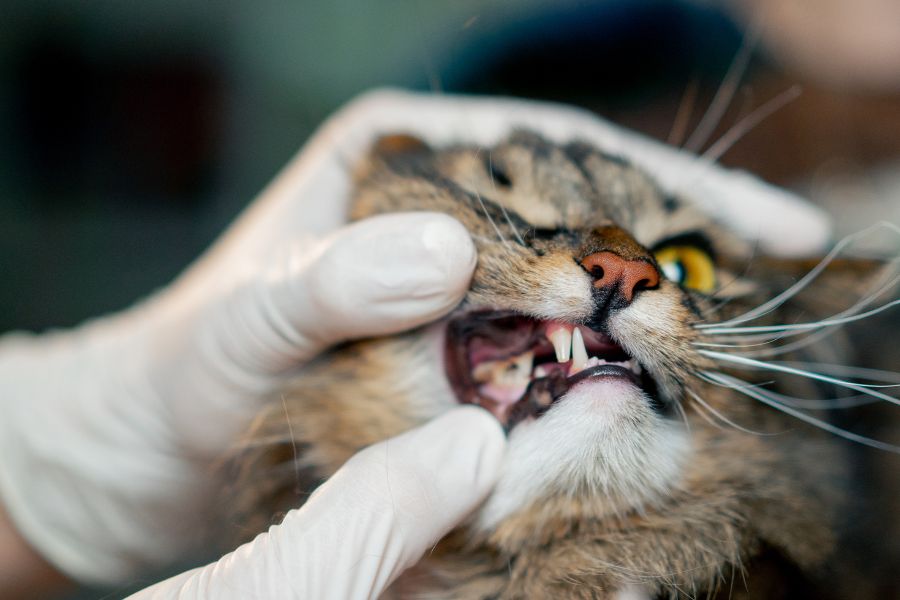
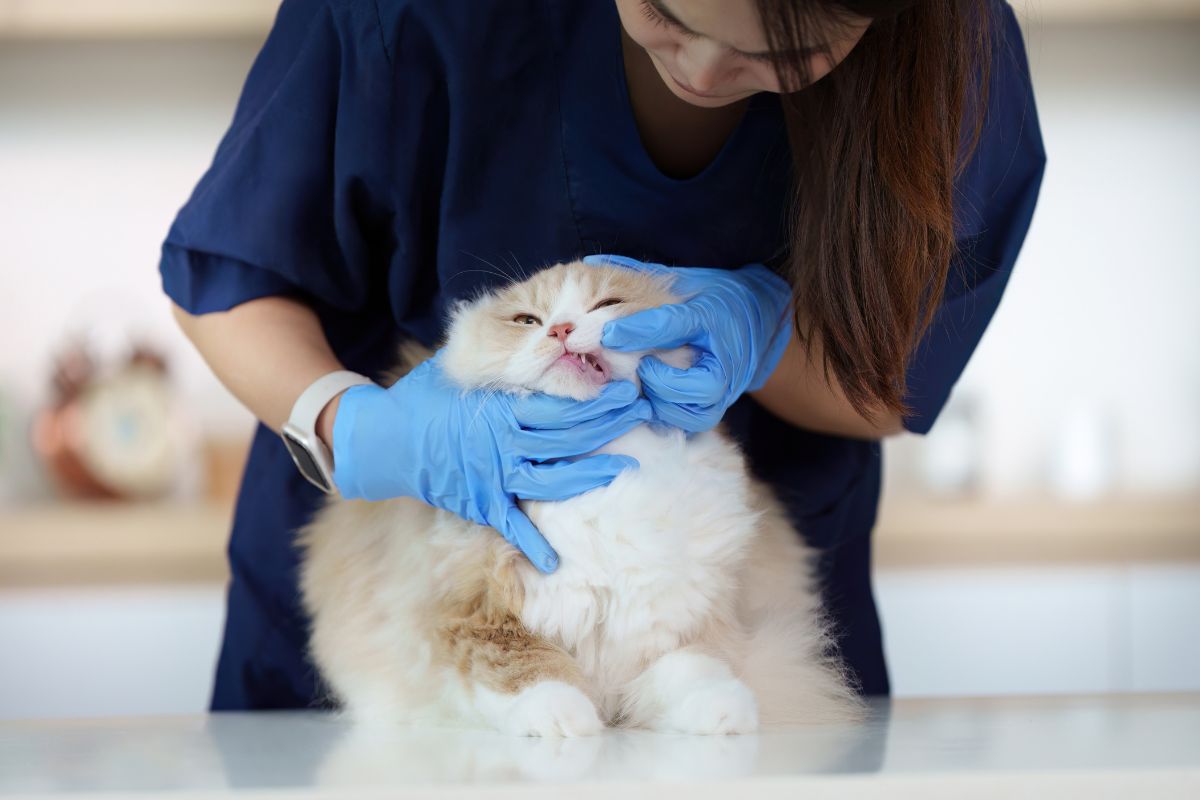
Before the cleaning begins, the veterinary team performs a full oral examination. This helps identify signs of periodontal disease, tooth damage, infections, or other dental concerns.
Your veterinarian may also recommend pre-anesthetic bloodwork to evaluate your pet’s overall health and ensure they are safe for anesthesia.
Anesthesia for Safety and Comfort
Unlike human dental visits, pets cannot remain still or understand instructions during a cleaning. General anesthesia allows the veterinary team to safely clean below the gumline, where harmful bacteria often collect.
Anesthesia also reduces stress and discomfort while allowing a more detailed dental assessment.
Dental Scaling and Plaque Removal
Using specialized veterinary dental tools, plaque and tartar are carefully removed from the teeth and beneath the gums. This process helps eliminate bacteria that contribute to periodontal disease.
Cleaning below the gumline is especially important because many dental problems begin in areas that are not visible during routine observation.
Dental X-Rays
Dental radiographs help veterinarians identify hidden problems beneath the surface of the gums. Conditions such as bone loss, abscesses, fractures, or impacted teeth may not be visible during a standard examination.
X-rays provide valuable insight into your pet’s oral health and help guide treatment decisions.
Tooth Polishing
After scaling, the teeth are polished to smooth the enamel surface. This helps reduce future plaque buildup and keeps the teeth cleaner for longer periods.
Tooth Extractions if Needed
If severely damaged or infected teeth are discovered, extractions may be recommended to relieve pain and prevent further complications.
While extractions can sound intimidating, removing painful teeth often greatly improves a pet’s comfort and quality of life.
The Long-Term Benefits of Professional Dental Cleanings
Routine dental cleanings provide benefits that go far beyond fresher breath. Preventive pet dental care supports your companion’s health in several important ways.
Helps Prevent Periodontal Disease
Professional cleanings remove harmful plaque and tartar before they progress into advanced dental disease. Early intervention can help preserve healthy teeth and gums for years.
Reduces Pain and Discomfort
Dental disease can be extremely painful, even when pets do not show obvious symptoms. Cleanings help relieve inflammation and address oral issues before they worsen.
Supports Better Overall Health
Bacteria from untreated dental infections may spread through the bloodstream and contribute to heart, liver, or kidney problems. Maintaining good oral health helps reduce these risks.
Improves Appetite and Eating Habits
Pets with healthy teeth and gums are more comfortable eating and chewing food. This supports proper nutrition and overall wellness.
Saves Money on Future Treatments
Preventive care is often far less expensive than treating advanced dental disease, emergency extractions, or infections. Regular cleanings may help reduce long-term veterinary costs.
How Often Should Pets Have Dental Cleanings?
The ideal frequency for professional dental cleanings depends on your pet’s breed, age, diet, and overall oral health.
Many dogs and cats benefit from annual dental cleanings, although some pets may require more frequent care. Small dog breeds are especially prone to dental disease because their teeth are often crowded together, allowing plaque to accumulate more quickly.
Your veterinarian can recommend a personalized dental care schedule based on your pet’s needs.
At-Home Dental Care Still Matters
Professional cleanings are essential, but maintaining your pet’s oral health at home is equally important.
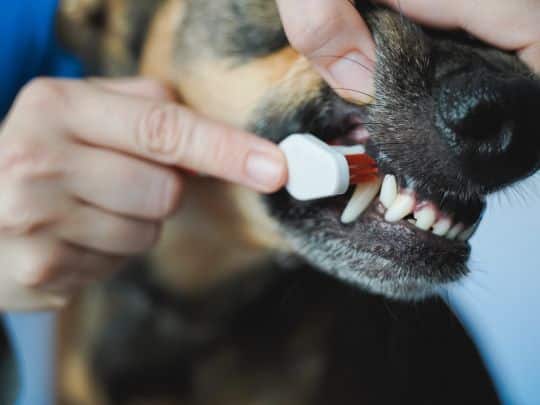
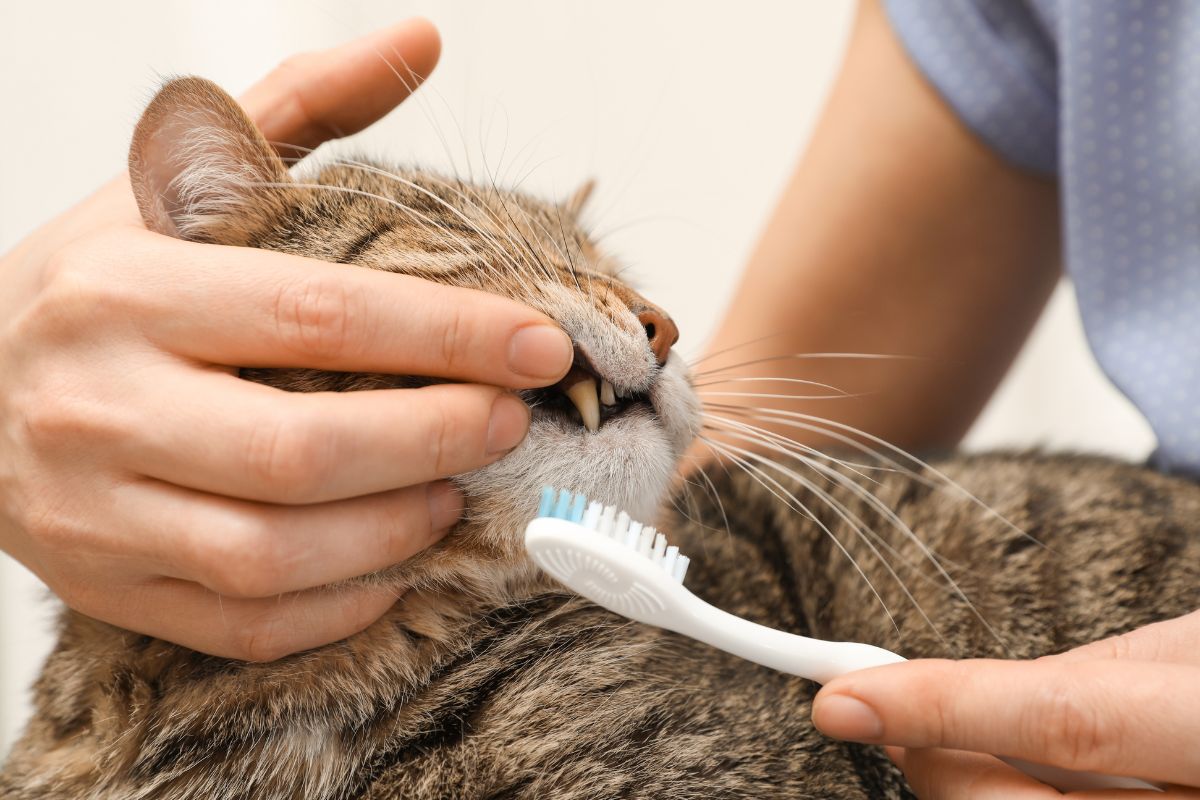
Daily or routine brushing can help reduce plaque buildup between veterinary visits. Veterinary-approved dental treats, dental chews, and oral rinses may also support healthier teeth and gums.
Helpful at-home dental care tips include:
- Brush your pet’s teeth regularly using pet-safe toothpaste
- Use veterinarian-recommended dental products
- Provide dental-friendly treats or chews
- Monitor for signs of oral discomfort
- Schedule regular wellness exams
Never use human toothpaste on pets, as it may contain ingredients that are harmful to animals.
Why Early Dental Care Is Important
Many dental problems begin long before visible symptoms appear. Early preventive care allows veterinarians to detect issues before they become severe.
Younger pets can also benefit from early dental evaluations. Establishing good oral hygiene habits early in life helps reduce the risk of future complications.
Senior pets especially benefit from regular dental monitoring because aging animals are often more vulnerable to infections and chronic health conditions linked to poor oral health.
The Connection Between Dental Health and Preventive Veterinary Care
Dental care is a key component of preventive veterinary medicine. Routine oral examinations often help veterinarians identify additional health concerns that may otherwise go unnoticed.
By combining dental cleanings with regular wellness exams, vaccinations, diagnostic testing, and preventive screenings, pet owners can help support their companion’s long-term health and comfort.
Working with a trusted veterinary clinic Columbia pet owners rely on can make a significant difference in maintaining your pet’s overall wellness.
Supporting Your Pet’s Health With Professional Dental Care
Consistent pet dental care is one of the best investments you can make in your companion’s long-term health. Professional dental cleanings help prevent painful oral disease, improve comfort, and support better overall wellness throughout every stage of life.
At Animal Mansion Veterinary Hospital, the veterinary team is committed to helping pets maintain healthy teeth and gums through comprehensive preventive dental services. Whether your pet needs a routine cleaning, oral examination, or advanced dental treatment, professional veterinary care can help keep them happy and healthy.
If your pet is showing signs of dental disease or it has been a while since their last oral exam, schedule an appointment with Animal Mansion Veterinary Hospital in Columbia today.
Frequently Asked Questions
1. Why are professional dental cleanings necessary for pets?
Professional cleanings remove plaque and tartar buildup that cannot be eliminated through brushing alone. They help prevent periodontal disease, tooth loss, and oral infections.
2. Is anesthesia safe for pet dental cleanings?
Yes. Veterinary teams carefully monitor pets during anesthesia and perform pre-anesthetic evaluations to improve safety throughout the procedure.
3. How can I tell if my pet has dental disease?
Common signs include bad breath, swollen gums, tartar buildup, difficulty eating, drooling, and loose teeth.
4. How often should my pet receive a dental cleaning?
Many pets benefit from annual dental cleanings, although some may need more frequent care depending on their oral health and breed.
5. Can dental disease affect my pet’s overall health?
Yes. Untreated dental infections may contribute to heart, liver, and kidney issues if bacteria spread through the bloodstream.
6. What can I do at home to support my pet’s dental health?
Regular tooth brushing, dental chews, oral rinses, and routine veterinary checkups can help maintain healthier teeth and gums between professional cleanings.