Cats go through many developmental stages during their lives, and one of the most important but often overlooked is dental development. Understanding the difference between kitten teeth and adult cat teeth can help pet owners better support their feline companion’s health, comfort, and overall well-being. From teething discomfort to permanent dental care, knowing what to expect at each stage can make a significant difference in your cat’s long-term oral health.
At Animal Mansion Veterinary Hospital in Columbia, helping cats maintain healthy teeth and gums is an important part of preventive veterinary care. Here’s everything cat owners should know about kitten teeth, adult cat teeth, and common dental concerns.
Why Cat Dental Health Matters
Dental health affects far more than just your cat’s mouth. Poor oral hygiene can contribute to pain, difficulty eating, gum disease, infections, and even complications involving the heart, liver, and kidneys. Many cats are experts at hiding discomfort, which means dental problems often go unnoticed until they become severe.
By understanding how kitten teeth transition into adult teeth, pet owners can identify normal changes, recognize warning signs, and establish healthy dental habits early.
When Do Kittens Get Their Teeth?
Kittens are born without visible teeth. Their baby teeth, also called deciduous teeth, begin appearing within the first few weeks of life.
Typical Kitten Teething Timeline
- 2–4 weeks: Baby incisors begin erupting
- 3–4 weeks: Canine teeth appear
- 4–6 weeks: Premolars develop
- 8 weeks: Most kittens have a full set of baby teeth
A kitten usually has 26 baby teeth in total. These tiny teeth are sharp and designed to help kittens transition from nursing to eating solid food.
During this stage, kittens may chew more frequently, drool slightly, or show mild gum sensitivity. Teething is generally normal, but excessive discomfort or refusal to eat should be evaluated by a veterinarian.
When Do Adult Cat Teeth Come In?
Adult teeth begin replacing baby teeth around 3 to 4 months of age. This process continues until approximately 6 to 7 months old.
Adult Cat Teeth Timeline
- 3–4 months: Baby teeth begin falling out
- 4–5 months: Adult incisors and canines emerge
- 5–6 months: Premolars and molars develop
- 6–7 months: Most cats have all permanent teeth
Adult cats typically have 30 permanent teeth. These teeth are stronger, larger, and built for long-term chewing and hunting behaviors.
Some pet owners may find tiny teeth around the home during this stage, while others never notice them because kittens often swallow their baby teeth naturally.
Key Differences Between Kitten Teeth and Adult Cat Teeth
Understanding the differences between kitten and adult teeth can help owners determine whether their cat’s dental development is progressing normally.
1. Number of Teeth
- Kittens have 26 baby teeth
- Adult cats have 30 permanent teeth
Adult cats gain molars that are not present in kittens.
2. Size and Strength
Kitten teeth are thinner, smaller, and extremely sharp. Adult teeth are larger, stronger, and designed for lifelong use.
3. Color
Healthy kitten teeth are usually bright white. Adult teeth may appear slightly cream-colored as cats age.
4. Function
Baby teeth assist with early eating and development, while adult teeth support chewing, grooming, defense, and overall daily function.
Common Signs of Teething in Kittens
Teething can cause temporary discomfort, but most kittens handle it well. Common symptoms include:
- Increased chewing behavior
- Mild drooling
- Irritated gums
- Reduced appetite briefly
- Pawing at the mouth
- Slight irritability
Providing safe chew toys and soft kitten food during this period may help ease discomfort.
However, severe swelling, bleeding, bad breath, or persistent pain should not be ignored.
Retained Baby Teeth in Cats
Sometimes baby teeth fail to fall out when adult teeth erupt. This condition is called retained deciduous teeth.
Retained teeth can lead to:
- Crowded teeth
- Tartar buildup
- Gum disease
- Misalignment issues
- Increased risk of infection
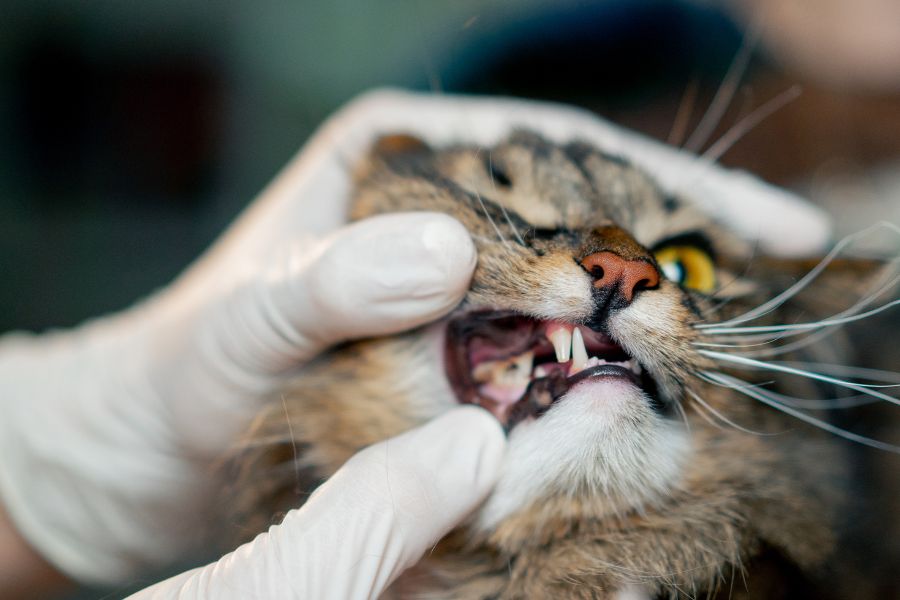
The canine teeth are most commonly affected. If both the baby and adult tooth are visible at the same time, veterinary treatment may be necessary.
Routine veterinary exams can help identify retained teeth before they create larger dental problems.
Dental Problems Common in Adult Cats
Once adult teeth fully develop, ongoing dental care becomes essential. Many cats develop oral disease by the age of three.
Periodontal Disease
This is one of the most common dental conditions in cats. It begins with plaque and tartar buildup, eventually leading to gum inflammation, infection, and tooth damage.
Signs may include:
- Bad breath
- Red gums
- Difficulty eating
- Pawing at the mouth
- Loose teeth
Tooth Resorption
Tooth resorption occurs when the tooth structure gradually breaks down. This painful condition is common in adult cats and often requires tooth extraction.
Gingivitis
Inflamed gums can occur due to plaque buildup or infection. Early treatment is important to prevent progression.
Fractured Teeth
Cats can crack teeth from trauma or chewing hard objects. Broken teeth may expose nerves and cause pain.
How to Care for Your Cat’s Teeth at Every Age
Good dental habits should begin early and continue throughout your cat’s life.
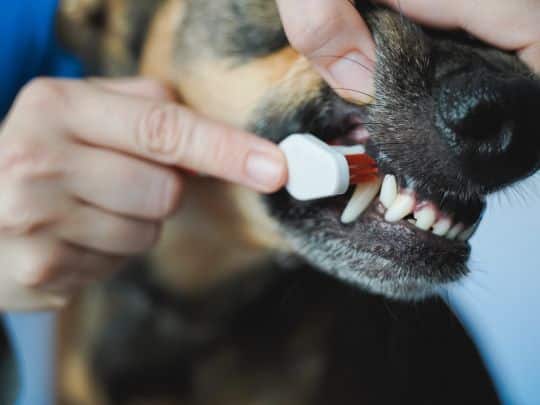
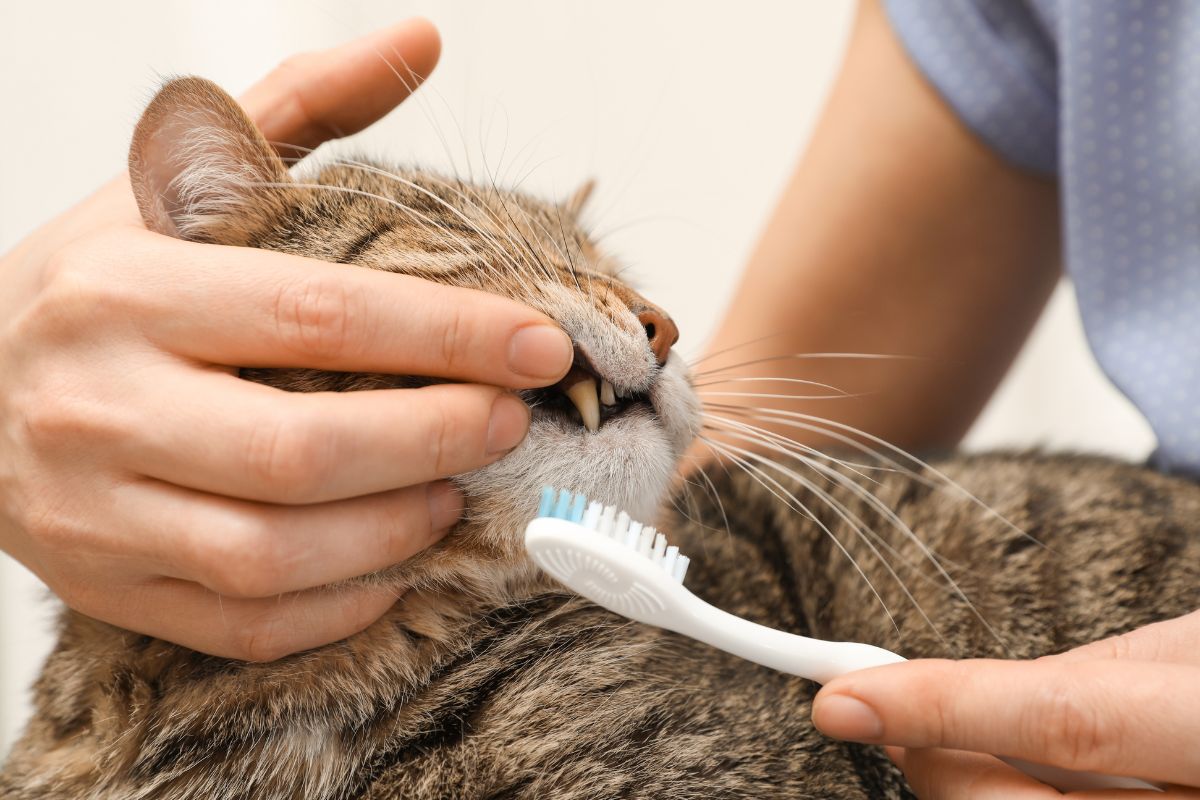
Start Brushing Early
Introducing tooth brushing during kittenhood helps cats become more comfortable with oral care. Use:
- Cat-safe toothpaste only
- A soft-bristled pet toothbrush
- Gentle handling and positive reinforcement
Even brushing a few times weekly can help reduce plaque buildup.
Provide Dental-Friendly Diets
Some veterinary-approved dental diets and treats help reduce tartar accumulation. Your veterinarian can recommend products suitable for your cat’s age and health needs.
Offer Safe Chew Toys
Chewing can help stimulate gums and reduce boredom. Avoid extremely hard toys that may fracture teeth.
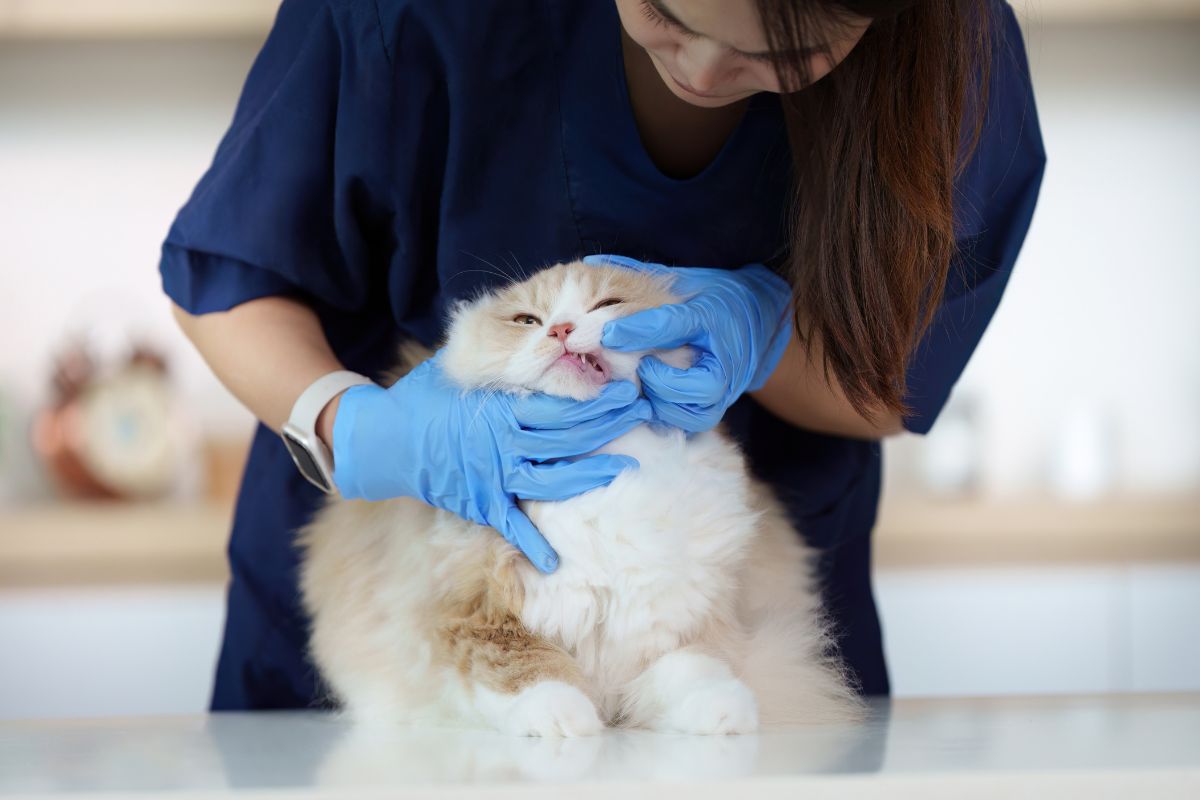
Schedule Regular Veterinary Dental Exams
Routine exams help identify hidden dental issues before they become painful or expensive to treat. Professional cleanings may be recommended depending on your cat’s needs.
If you notice signs of dental discomfort, it’s important to book an appointment with a veterinary professional promptly.
Signs Your Cat May Have Dental Pain
Cats often hide pain exceptionally well, so subtle symptoms matter.
Watch for:
- Bad breath
- Drooling
- Weight loss
- Eating slowly
- Dropping food while eating
- Facial swelling
- Bleeding gums
- Decreased grooming
- Behavioral changes
Any of these signs may indicate oral discomfort that requires veterinary attention.
Why Preventive Dental Care Is Important
Preventive care is always easier and less costly than treating advanced dental disease. Regular dental maintenance can:
- Reduce pain and inflammation
- Prevent tooth loss
- Improve appetite and comfort
- Support overall health
- Increase quality of life
Cats rely on healthy teeth every day for eating, grooming, and normal behavior. Maintaining oral health supports their overall happiness and longevity.
Helping Your Cat Through Every Dental Stage
From playful kittens to mature adult cats, dental care remains an essential part of feline wellness. Understanding how kitten teeth differ from adult cat teeth helps owners recognize normal development and spot potential issues early.
Whether your kitten is actively teething or your adult cat needs routine dental support, proactive veterinary care can make a major difference. Monitoring your cat’s mouth, maintaining regular cleanings, and watching for subtle signs of discomfort are key steps toward lifelong oral health.
At Animal Mansion Veterinary Hospital, cat owners in Columbia can access compassionate veterinary care focused on preventive wellness and dental health for every stage of life.
Frequently Asked Questions
1. At what age do kittens lose their baby teeth?
Ans: Most kittens begin losing baby teeth around 3 to 4 months old and usually have all adult teeth by 6 to 7 months of age.
2. How many teeth does an adult cat have?
Ans: Adult cats typically have 30 permanent teeth, while kittens have 26 baby teeth.
3. Is teething painful for kittens?
Ans: Mild discomfort is normal during teething. Kittens may chew more often or have slightly irritated gums, but severe pain or refusal to eat should be checked by a veterinarian.
4. Should I brush my kitten’s teeth?
Ans: Yes. Starting dental care early helps kittens become comfortable with brushing and supports long-term oral health.
5. What are signs of dental disease in cats?
Ans: Common signs include bad breath, drooling, difficulty eating, red gums, pawing at the mouth, and behavioral changes.
6. How often should cats have dental exams?
Ans: Cats should receive regular veterinary wellness exams annually or as recommended by their veterinarian. Dental evaluations are an important part of preventive care.