
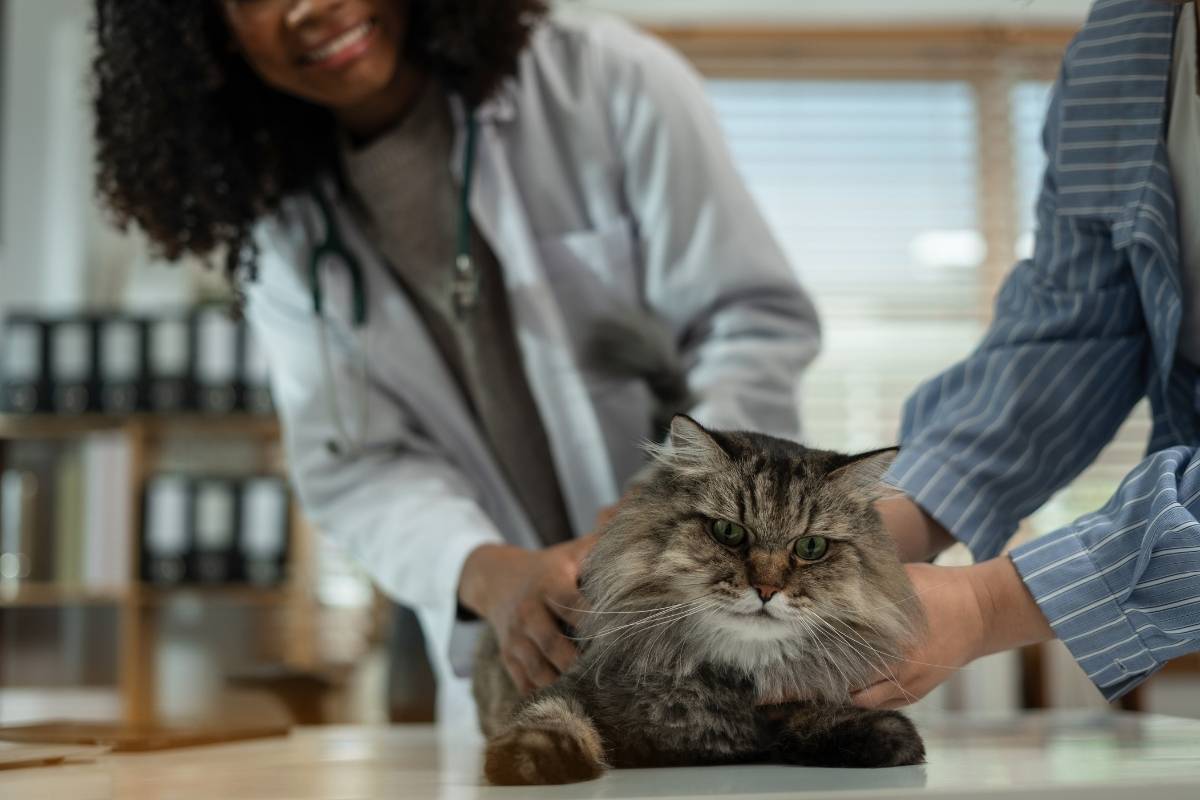
Pets are more than just animals, they’re cherished members of the family. Ensuring they live long, happy, and healthy lives requires more than love and good nutrition. Professional veterinary care plays a critical role in maintaining your pet’s overall well-being. At Animal Mansion Veterinary Hospital in Columbia, experienced veterinarians are dedicated to helping pets thrive at every stage of life.
In this blog, we’ll explore how veterinarians support longer, healthier lives for pets and why regular visits to a trusted vet are essential.
The Importance of Preventive Veterinary Care
Preventive care is the foundation of a pet’s long-term health. Rather than waiting for illness to develop, veterinarians focus on early detection and prevention.
Routine wellness exams allow veterinarians to monitor your pet’s overall condition, identify potential health risks, and recommend necessary treatments before issues become serious. These visits typically include:
- Physical examinations
- Weight and body condition assessment
- Dental checks
- Parasite screenings
- Vaccination updates
By staying proactive, pet owners can significantly reduce the risk of chronic diseases and ensure their pets remain in optimal health.
Vaccinations: Protecting Pets from Serious Diseases
Vaccinations are one of the most effective ways veterinarians safeguard pets against life-threatening illnesses. From rabies to distemper, vaccines help build immunity and prevent the spread of contagious diseases.
Veterinarians create personalized vaccination schedules based on your pet’s age, lifestyle, and risk factors. Keeping up with these schedules not only protects your pet but also contributes to the safety of other animals and people in the community.
Nutrition and Weight Management Guidance
Proper nutrition is essential for a pet’s longevity and quality of life. However, with so many pet food options available, it can be challenging to choose the right one.
Veterinarians provide expert advice on:
- Balanced diets tailored to your pet’s age and breed
- Portion control to prevent obesity
- Special dietary needs for medical conditions
Maintaining a healthy weight reduces the risk of diabetes, joint problems, and heart disease. Regular consultations with a vet ensure your pet’s nutritional needs are always met.
Early Detection of Health Issues
Pets can’t communicate discomfort the way humans do, which makes early diagnosis crucial. Veterinarians are trained to recognize subtle signs of illness that may go unnoticed by pet owners.
Through routine exams and diagnostic tests such as bloodwork, X-rays, and ultrasounds, veterinarians can detect conditions like:
- Kidney disease
- Heart issues
- Arthritis
- Cancer
Early detection often leads to more effective treatment and better outcomes, helping pets live longer, healthier lives.
Dental Care for Overall Health
Oral health is often overlooked but plays a significant role in a pet’s overall well-being. Dental disease can lead to pain, tooth loss, and even systemic infections affecting vital organs.
Veterinarians provide:
- Professional dental cleanings
- Oral exams
- Guidance on at-home dental care
Regular dental care not only keeps your pet’s teeth clean but also prevents serious health complications.
Parasite Prevention and Control
Parasites such as fleas, ticks, and worms can cause a range of health problems, from mild irritation to severe illness.
Veterinarians recommend year-round parasite prevention plans tailored to your pet’s environment and lifestyle. These plans may include:
- Topical or oral medications
- Regular screenings
- Preventive treatments
Protecting your pet from parasites ensures their comfort and reduces the risk of disease transmission.
Senior Pet Care and Age-Related Support
As pets age, their healthcare needs change. Senior pets are more prone to chronic conditions such as arthritis, vision loss, and organ dysfunction.
Veterinarians provide specialized care for aging pets, including:
- More frequent wellness exams
- Pain management strategies
- Mobility support
- Nutritional adjustments
With proper care, senior pets can continue to enjoy a high quality of life well into their golden years.
Behavioral and Mental Health Support
A pet’s mental and emotional well-being is just as important as physical health. Behavioral issues such as anxiety, aggression, or destructive habits can impact both pets and their owners.
Veterinarians can:
- Identify underlying medical causes of behavior changes
- Offer training recommendations
- Suggest therapies or treatments
Addressing behavioral concerns early helps create a happier and more harmonious relationship between pets and their families.
Building a Lifelong Partnership with Your Veterinarian
One of the most valuable aspects of veterinary care is the relationship built over time. Regular visits allow veterinarians to become familiar with your pet’s history, personality, and specific needs.
This ongoing partnership ensures:
- Consistent and personalized care
- Better monitoring of health changes
- Quick response to emergencies or concerns
Pet owners are encouraged to schedule an appointment regularly to stay on top of their pet’s health and address any concerns promptly.
Conclusion
Veterinarians play an essential role in helping pets live longer, healthier lives. From preventive care and vaccinations to early disease detection and senior support, their expertise ensures that pets receive the best possible care at every stage.
By working closely with a trusted vet and prioritizing regular check-ups, pet owners can provide their furry companions with a lifetime of health, happiness, and love.
FAQs
1. How often should I take my pet to the vet?
Ans: Most pets should visit the vet at least once a year for a wellness exam. Senior pets or those with health conditions may require more frequent visits.
2. Why are vaccinations important for pets?
Ans: Vaccinations protect pets from serious and potentially fatal diseases while also preventing the spread of infections to other animals and humans.
3. What are common signs that my pet may be sick?
Ans: Signs include changes in appetite, lethargy, vomiting, diarrhea, weight loss, or unusual behavior. If you notice any of these, consult a veterinarian promptly.
4. How can I keep my pet at a healthy weight?
Ans: Provide a balanced diet, control portion sizes, and ensure regular exercise. Your veterinarian can recommend a tailored nutrition plan.
5. Do pets really need dental care?
Ans: Yes, dental care is crucial. Poor oral health can lead to infections and other serious health issues affecting the heart, liver, and kidneys.
6. When is a pet considered a senior?
Ans: This varies by species and breed, but generally dogs and cats are considered senior around 7 years of age. Your veterinarian can guide you based on your pet’s specific needs.