Hearing that your pet needs surgery can feel overwhelming. Whether it’s a routine procedure such as spaying or neutering or a more advanced operation, it’s natural to have questions about what to expect and how to help your pet prepare. Understanding the surgical process and following your veterinarian’s recommendations can help reduce stress and support a smoother recovery.
Proper preparation before surgery plays an important role in your pet’s safety and comfort. By taking the right steps ahead of time, you can help ensure the best possible outcome for your furry companion.
Why Pet Surgery May Be Necessary
There are many reasons why a veterinarian may recommend surgery for your pet. Some procedures are preventive, while others are needed to diagnose or treat medical conditions.
Common types of pet surgery include:
- Spaying and neutering
- Dental procedures
- Mass or tumor removal
- Orthopedic surgery
- Soft tissue surgery
- Foreign body removal
- Emergency procedures
- Wound repair
No matter the reason, your veterinary team will perform a thorough evaluation to determine the safest and most effective treatment plan for your pet.
Schedule a Pre-Surgical Examination
Before surgery, your veterinarian will conduct a comprehensive physical examination. This evaluation helps identify any underlying health conditions that could affect anesthesia or the procedure itself.
Pre-surgical assessments may include:
- Physical examination
- Blood testing
- Urinalysis
- Diagnostic imaging
- Cardiac evaluation when needed
These tests allow the veterinary team to customize anesthesia and pain management protocols based on your pet’s age, breed, health status, and specific medical needs.
If your pet has a history of medical conditions, allergies, or previous surgeries, be sure to share this information with your veterinarian.
Follow Fasting Instructions Carefully
One of the most important aspects of preparing for pet surgery is following fasting instructions.
In most cases, pets should not eat for several hours before anesthesia. Food in the stomach can increase the risk of vomiting and aspiration during surgery, which can lead to serious complications.
Your veterinarian will provide specific instructions regarding:
- When to stop feeding
- Whether water is allowed
- Medication adjustments
- Special considerations for puppies, kittens, or senior pets
Always follow these instructions exactly, even if your pet seems hungry.
Review Current Medications
Certain medications and supplements can affect anesthesia or interfere with surgical procedures.
Before surgery, provide your veterinarian with a complete list of:
- Prescription medications
- Over-the-counter medications
- Vitamins
- Supplements
- Herbal products
Your veterinarian may recommend temporarily discontinuing some medications before surgery while continuing others as directed.
Never stop or adjust medications without veterinary guidance.
Prepare Your Home for Recovery
A successful surgery doesn’t end when your pet leaves the hospital. Recovery at home is equally important.
Before surgery day, create a comfortable recovery space where your pet can rest quietly.
Helpful preparations include:
- Soft bedding
- A quiet room away from household activity
- Easy access to food and water
- Limited stairs
- Removal of potential hazards
For pets recovering from orthopedic or abdominal procedures, restricting movement is often essential for proper healing.
Preparing in advance can make the transition home much easier for both you and your pet.
Keep Your Pet Calm Before Surgery
Pets can sense changes in routine and may become anxious before a veterinary visit.
To help reduce stress:
- Maintain a normal routine
- Avoid excessive excitement
- Offer reassurance and affection
- Transport your pet safely in a carrier or secured vehicle
Remaining calm yourself can also help your pet feel more comfortable during the process.
What to Expect on Surgery Day
On the day of surgery, the veterinary team will review your pet’s medical information and answer any remaining questions.
Typical steps include:
Admission and Check-In
Your pet will be admitted to the hospital and undergo a final assessment before anesthesia.
Anesthesia Preparation
Veterinary professionals carefully calculate anesthesia based on your pet’s specific needs. Monitoring equipment is used throughout the procedure to track vital signs.
Surgical Procedure
The veterinarian performs the procedure while a trained team monitors your pet continuously.
Recovery Monitoring
After surgery, your pet is closely observed until they are awake and stable enough to return home.
Modern veterinary medicine places a strong emphasis on patient safety, pain management, and recovery support.
Understanding Post-Surgical Care
Following your veterinarian’s discharge instructions is critical to successful healing.
Depending on the procedure, post-operative care may involve:
- Pain medications
- Antibiotics
- Activity restrictions
- Special diets
- Incision monitoring
- Follow-up appointments
Pay close attention to medication schedules and instructions regarding exercise limitations.
Even if your pet appears to feel better quickly, complete healing may take several weeks.
Signs of a Healthy Recovery
Most pets recover smoothly when provided with proper care.
Positive signs include:
- Gradual return of appetite
- Improved energy levels
- Comfortable movement
- Clean incision site
- Normal bathroom habits
Mild sleepiness and reduced appetite may occur immediately after anesthesia but should improve within a day or two.
Warning Signs to Watch For
Contact a vet near you immediately if you notice:
- Excessive swelling
- Bleeding
- Discharge from the incision
- Difficulty breathing
- Persistent vomiting
- Severe lethargy
- Refusal to eat for an extended period
- Signs of significant pain
Prompt attention can help prevent complications and support a successful recovery.
The Importance of Pain Management
Pain management is an essential component of modern veterinary care.
Pets often hide discomfort, making it difficult for owners to recognize pain. Your veterinarian will prescribe medications designed to keep your pet comfortable throughout recovery.
Never give human pain medications unless specifically directed by a veterinarian, as many common medications can be toxic to pets.
Proper pain control helps pets heal more comfortably and encourages a quicker return to normal activities.
How Long Does Recovery Take?
Recovery times vary depending on the type of pet surgery performed.
General recovery timelines may include:
- Routine spay/neuter surgery: 10–14 days
- Dental procedures: Several days
- Soft tissue surgery: 2–4 weeks
- Orthopedic surgery: Several weeks to months
Your veterinarian will provide a personalized recovery timeline based on your pet’s procedure and health condition.
Choosing Quality Surgical Care
When your pet requires surgery, selecting an experienced veterinary team can make a significant difference.
Look for an animal hospital near you that offers:
- Comprehensive pre-surgical evaluations
- Modern anesthesia protocols
- Advanced monitoring equipment
- Effective pain management
- Clear communication
- Post-operative support
A trusted veterinary team can guide you through every stage of the surgical process and help you feel confident about your pet’s care.
Supporting Your Pet Every Step of the Way
Preparing your pet for surgery involves more than simply showing up for an appointment. From following fasting instructions to creating a comfortable recovery environment, every step contributes to a safer procedure and smoother healing process.
If your pet has been recommended for veterinary pet surgery Columbia residents trust, taking the time to understand the process can help reduce anxiety and improve outcomes. If you have questions about pet surgery or would like to schedule an appointment, the experienced team at Animal Mansion Veterinary Hospital in Columbia is dedicated to providing compassionate surgical care, advanced medical support, and personalized guidance for every pet and family.
FAQs
1. How long should my pet fast before surgery?
Ans: Fasting requirements vary depending on your pet’s age, health, and procedure. Your veterinarian will provide specific instructions before surgery.
2. Is anesthesia safe for pets?
Ans: Modern veterinary anesthesia is generally very safe when combined with pre-surgical testing, patient monitoring, and individualized protocols.
3. Can my pet drink water before surgery?
Ans: In many cases, water may be allowed until a certain time before surgery. Always follow your veterinarian’s specific recommendations.
4. How can I keep my pet from licking the incision site?
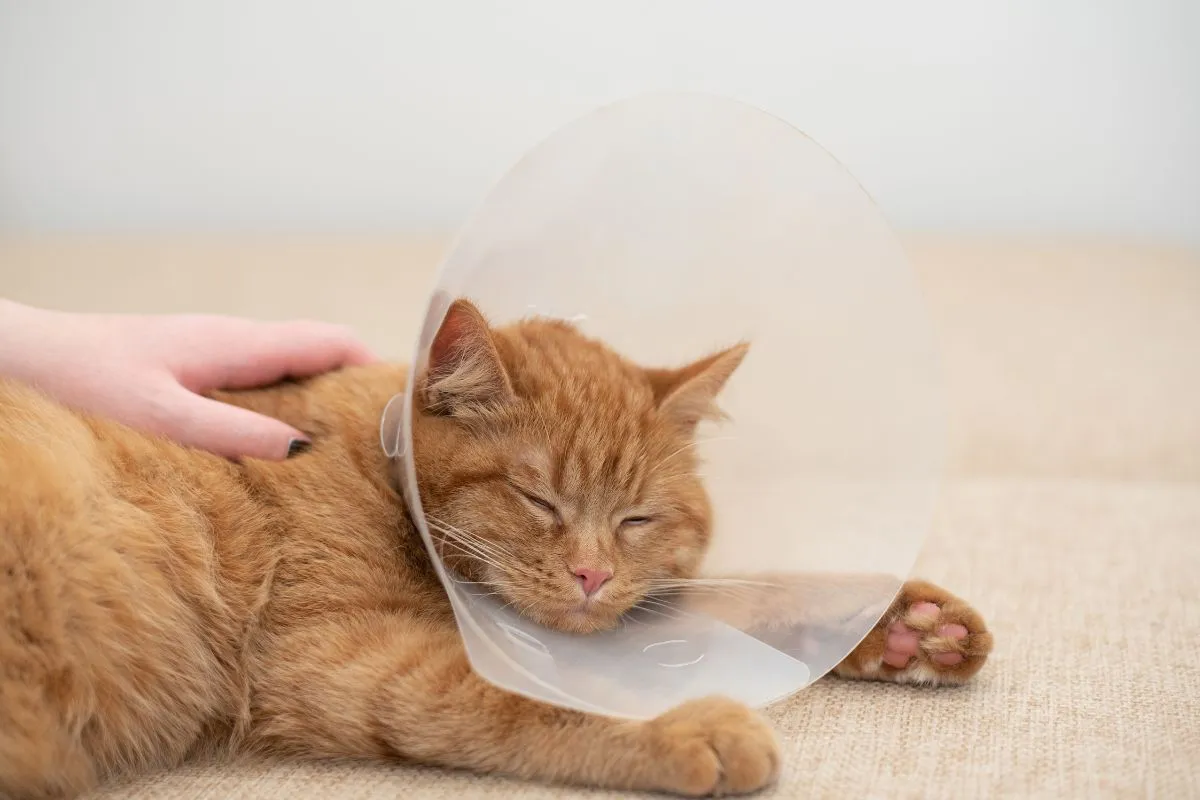
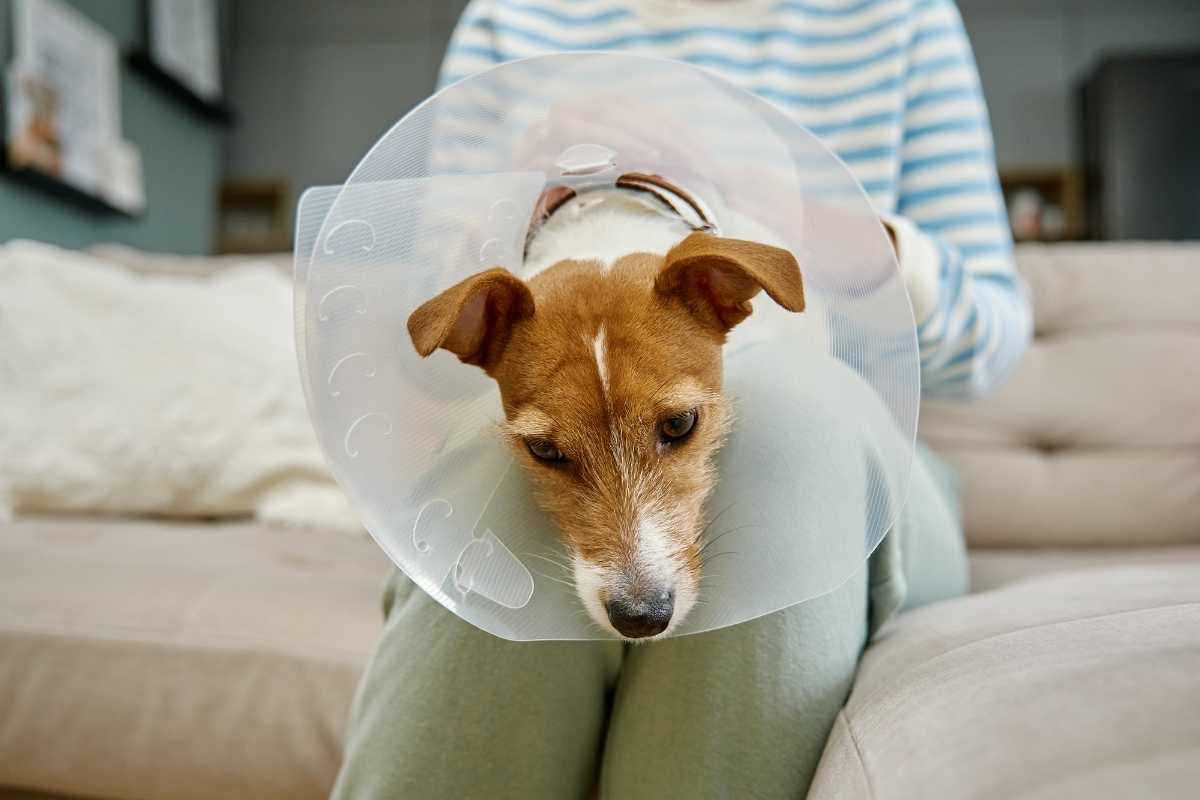
Ans: Your veterinarian may recommend an Elizabethan collar (cone), recovery suit, or other protective device to prevent licking and chewing.
5. When can my pet return to normal activity after surgery?
Ans: Recovery times vary depending on the procedure. Some pets may resume normal activity within two weeks, while others require longer periods of restricted exercise.
6. What should I do if I notice swelling or discharge after surgery?
Ans: Contact your veterinarian immediately if you observe excessive swelling, bleeding, discharge, or other unusual symptoms during recovery.