Keeping your pet healthy is one of the most important responsibilities of any pet owner. Vaccinations play a crucial role in protecting pets from serious and potentially life-threatening diseases. Whether you have a playful puppy, a curious kitten, or an older companion, staying up to date with vaccines ensures they live a long, happy life. In this guide, we’ll explore the top reasons to vaccinate your pet and how you can easily stay on track with scheduling.
Why Pet Vaccination Matters
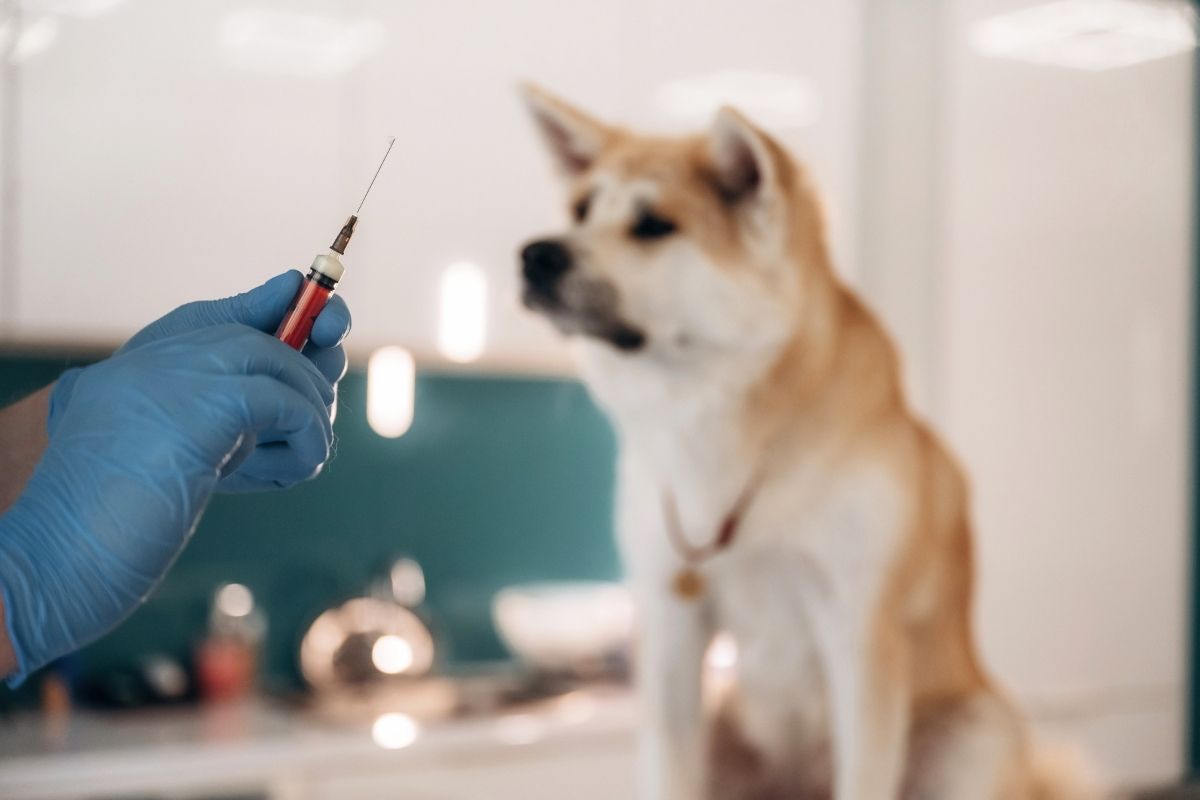
Vaccines help prepare your pet’s immune system to fight harmful diseases before they become a serious threat. Just like in humans, immunization trains the body to recognize and combat viruses and bacteria effectively. Regular visits to a vet ensure your pet receives the right vaccines at the right time based on their age, lifestyle, and overall health.
1. Protect Your Pet from Serious Diseases
One of the most important reasons to vaccinate your pet is to protect them from dangerous illnesses such as rabies, distemper, parvovirus, and feline leukemia. These diseases can be severe, costly to treat, and sometimes fatal.
Vaccinations act as a shield, significantly reducing the risk of infection. Even indoor pets are not completely safe, as certain viruses can be brought into the home through shoes, clothing, or other pets. By keeping up with vaccinations, you give your pet the best chance at a healthy life.
2. Prevent the Spread of Illness
Vaccinating your pet doesn’t just protect them, it also helps safeguard other animals and even people. Some diseases, like rabies, can be transmitted from animals to humans, making vaccination essential for public health.
When more pets are vaccinated, the spread of contagious diseases is greatly reduced. This concept, known as herd immunity, helps protect vulnerable animals such as young puppies, kittens, and pets with weakened immune systems.
3. Save Money on Future Medical Costs
Preventive care is always more affordable than emergency treatment. Treating serious illnesses can involve hospitalization, medications, and long recovery periods, which can quickly become expensive.
By investing in routine vaccinations, you minimize the risk of costly health issues down the road. Regular visits with veterinarians also allow for early detection of other health concerns, saving you time, stress, and money in the long run.
4. Meet Legal and Travel Requirements
Certain vaccinations, especially rabies, are required by law in many areas. Keeping your pet vaccinated ensures you remain compliant with local regulations and avoid potential fines or restrictions.
Additionally, if you plan to travel, board your pet, or enroll them in daycare, proof of vaccination is typically required. Staying up to date ensures your pet can safely participate in social activities without complications.
5. Support a Longer, Healthier Life
Vaccinated pets are more likely to live longer and healthier lives. By preventing serious diseases, vaccines help maintain your pet’s overall well-being and quality of life.
Routine care from veterinarians includes wellness exams alongside vaccinations, which helps monitor your pet’s health as they age. This proactive approach ensures your pet stays active, comfortable, and happy for years to come.
Simple Steps to Schedule Your Pet’s Vaccination
Keeping track of your pet’s vaccination schedule doesn’t have to be complicated. Here are a few easy steps to make the process smooth and stress-free:
1. Know Your Pet’s Vaccine Timeline
Puppies and kittens require a series of vaccines during their first year, followed by booster shots throughout adulthood. Your vet will provide a customized schedule based on your pet’s needs.
2. Choose a Trusted Veterinary Clinic
Select a reliable clinic with experienced veterinarians who can guide you through your pet’s healthcare journey. A good veterinary team will answer your questions and ensure your pet feels comfortable during visits.
3. Set Reminders
Use your phone, calendar, or clinic reminders to keep track of upcoming vaccinations. Staying organized helps you avoid missing important appointments.
4. Schedule an appointment
Don’t wait until your pet is overdue. Booking in advance ensures your pet stays protected and helps you secure a convenient time slot.
5. Keep Records Handy
Maintain a record of your pet’s vaccinations. This is useful for travel, boarding, and routine checkups.
Why Choose Animal Mansion Veterinary Hospital in Columbia
At Animal Mansion Veterinary Hospital in Columbia, your pet’s health and comfort are a top priority. The experienced team understands that every pet is unique and requires personalized care. From routine vaccinations to comprehensive wellness exams, their approach focuses on prevention and long-term health.
With compassionate care and modern facilities, pet owners can feel confident that their furry companions are in good hands. Whether you’re visiting for a routine vaccine or a full health check, the team is dedicated to providing a stress-free experience for both you and your pet.
Final Thoughts
Vaccinating your pet is one of the simplest yet most effective ways to protect their health. From preventing serious diseases to saving on medical costs and ensuring compliance with regulations, the benefits are undeniable. By staying proactive and working closely with your vet, you can give your pet the best chance at a long, happy life.
Frequently Asked Questions
1. How often does my pet need vaccinations?
Ans: Vaccination schedules vary based on your pet’s age, health, and lifestyle. Puppies and kittens need a series of shots, while adult pets require booster vaccinations as recommended by veterinarians.
2. Are vaccines safe for pets?
Ans: Yes, vaccines are generally very safe. Mild side effects like slight swelling or fatigue may occur, but serious reactions are rare. Your vet will ensure the safest options for your pet.
3. What happens if I miss a vaccination?
Ans: If you miss a scheduled vaccine, contact your vet as soon as possible. They will help you get back on track without compromising your pet’s protection.
4. Do indoor pets really need vaccines?
Ans: Yes, even indoor pets need vaccinations. They can still be exposed to diseases through indirect contact or unexpected situations.
5. Can older pets be vaccinated?
Ans: Absolutely. Senior pets can still benefit from vaccinations, although their schedule may be adjusted based on their health condition.
6. How long do vaccines take to work?
Ans: Most vaccines begin to provide protection within a few weeks, but full immunity may require booster shots depending on the type of vaccine.