Your pet may seem perfectly healthy, but that does not mean routine veterinary visits are unnecessary. Many health concerns develop gradually, sometimes before noticeable symptoms appear. Regular wellness examinations help monitor your pet’s health and identify changes that deserve attention.
For pet owners in Morris, Columbia, and nearby New Jersey communities, Animal Mansion Veterinary Hospital provides preventive veterinary care for dogs and cats throughout their lives. Knowing how often your pet needs an exam helps you plan care as their needs change.
How Often Should Dogs and Cats Have Wellness Exams?
Most healthy adult dogs and cats should receive a wellness examination at least once a year. Puppies and kittens need several visits during their first months, while senior pets generally benefit from examinations every six months.
The American Animal Hospital Association (AAHA) recommends determining examination frequency according to each pet’s age, breed, health, and environment. A veterinarian may recommend additional visits for pets with chronic conditions or increased health risks.
Pet Wellness Exam Schedule by Life Stage
Puppies and Kittens: Every 3–4 Weeks During Early Development
Young pets need frequent exams because their bodies and immune systems develop rapidly.
Initial veterinary visits commonly begin around six to eight weeks of age. Follow-up appointments generally occur every three to four weeks until approximately 16 weeks, although schedules vary.
These appointments help address:
- Core vaccinations and parasite prevention
- Growth, nutrition, and healthy weight
- Congenital conditions and developmental concerns
- Behavior, socialisation, and dental development
Additional visits may be needed for vaccination completion, sterilization discussions, or specific health concerns.
Adult Dogs and Cats: Every 6–12 Months
Healthy adult pets generally need examinations every six to twelve months, depending on their individual circumstances.
During these visits, the veterinary team evaluates weight, dental health, heart function, mobility, and other physical findings. Vaccination requirements and parasite prevention are also reviewed.
Even indoor cats need routine examinations. Dental disease, weight changes, and internal illnesses can develop without obvious outward symptoms.
Senior Pets: At Least Every 6 Months
Older pets face increasing risks of arthritis, kidney disease, diabetes, dental problems, and other chronic conditions.
Senior dogs and cats should generally receive wellness exams at least twice a year. Larger dog breeds may reach their senior years earlier than smaller breeds.
These appointments may include:
- Bloodwork and urine testing when indicated
- Joint mobility and pain assessments
- Weight and muscle condition monitoring
- Dental examinations
- Changes in vision, hearing, and behaviour
More frequent visits may be appropriate when a pet requires ongoing disease management.
What Happens During a Routine Pet Wellness Exam?
A wellness examination involves more than vaccinations. It allows you to assess your pet’s overall physical condition and discuss concerns you’ve noticed at home.
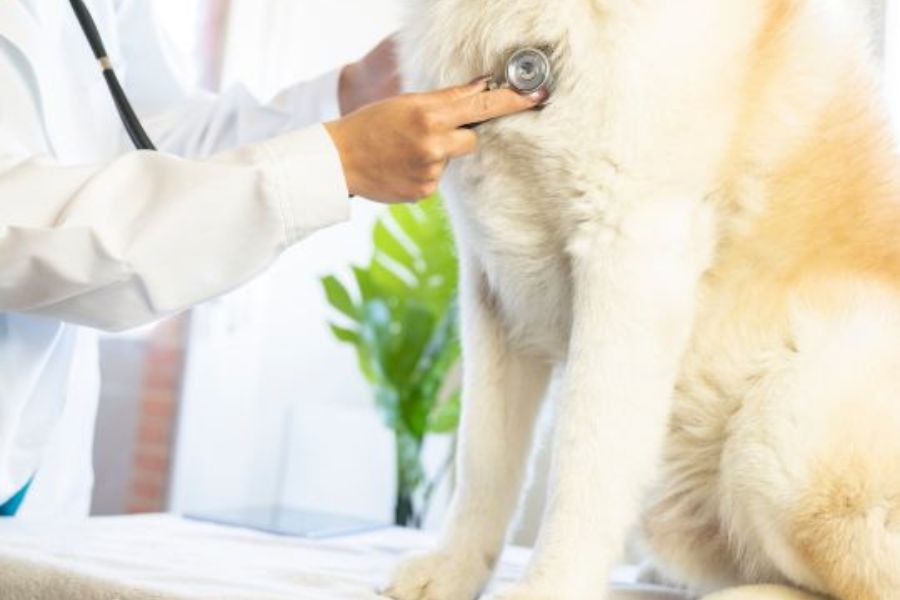
The veterinary team may examine the eyes, ears, mouth, skin, heart, lungs, abdomen, and joints. Weight measurements and nutritional assessments help identify changes between appointments.
Diagnostic testing depends on age, medical history, symptoms, and risk factors. Not every healthy pet needs the same laboratory tests.
At Animal Mansion’s Columbia location, Dr Bertoldo can discuss preventive care needs and an appropriate examination schedule. If you’re unsure about your next visit, call us to schedule an appointment.
When Should Pets Visit the Vet Between Wellness Exams?
Routine appointments should not replace medical evaluations when new symptoms appear.
Minor, brief changes that resolve completely may sometimes be monitored. However, persistent appetite changes, unexplained weight loss, increased thirst, limping, or repeated vomiting warrant an examination.
Difficulty breathing, collapse, seizures, or inability to urinate may require emergency veterinary attention. Do not wait for the next scheduled wellness visit.
A veterinarian can assess these symptoms and determine whether further testing or treatment is necessary.
Support Your Pet’s Health With Regular Veterinary Care
Your pet’s healthcare needs change throughout life. Consistent wellness examinations can help identify developing concerns and support informed preventive care decisions.
Animal Mansion Veterinary Hospital welcomes pet owners from Columbia, Blairstown, Belvidere, and surrounding communities. Whether your pet needs an initial examination or a senior wellness assessment, our team is ready to help.
Call (908) 496-0009 today to schedule your pet’s wellness examination and discuss their preventive care needs.
Frequently Asked Questions
1. Does my indoor cat need an annual wellness exam?
Ans: Yes. Indoor cats can develop dental disease, obesity, and other health conditions. Our veterinary team provides preventive examinations to identify concerns and recommend appropriate screenings.
2. How often should senior dogs receive health screenings?
Ans: Most senior dogs benefit from examinations every six months. During scheduled visits, Animal Mansion’s veterinary team can assess mobility, weight changes, and age-related health risks.
3. Can I schedule a wellness exam if my pet seems healthy?
Ans: Absolutely. Preventive examinations help establish health baselines and monitor gradual changes. Our Columbia veterinary team welcomes appointments for pets without noticeable symptoms.
4. Does my pet need bloodwork during every wellness visit?
Ans: Not necessarily. Testing recommendations depend on age, symptoms, medical history, and health risks. Animal Mansion’s diagnostic services can help evaluate concerns identified during examinations.
5. What if my pet misses an annual veterinary checkup?
Ans: Schedule an appointment rather than waiting another year. Our team can review overdue preventive services, examine your pet, and recommend an appropriate follow-up schedule.
6. Can wellness visits help identify dental problems in pets?
Ans: Yes. Routine examinations include checking for visible dental abnormalities. Our veterinary team can recommend further dental evaluation or professional cleaning when appropriate.