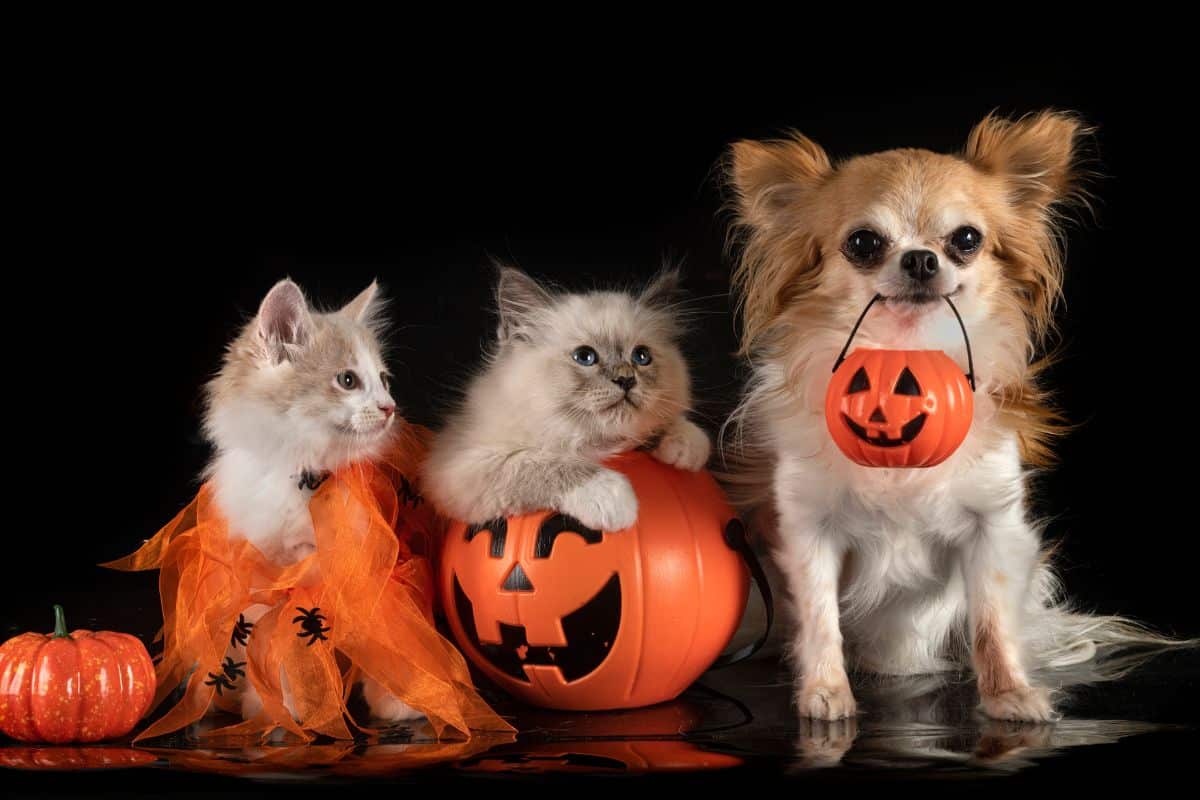
Halloween can bring unexpected challenges for pets, especially when homes fill with visitors, costumes, decorations, and unfamiliar noises. For pet owners in Columbia, NJ, preparing dogs and cats before Halloween night can help prevent unnecessary stress, accidental escapes, and injuries.
Even a normally calm pet may react differently when the doorbell rings repeatedly or strangers approach the house. Some animals become anxious, while others hide or attempt to escape.
Preparing your pet for Halloween involves creating a quiet space, securing exits, maintaining familiar routines, and keeping dangerous items out of reach. Taking these precautions before October 31 can help keep your dog or cat safe.
Why Can Halloween Night Be Stressful for Dogs and Cats?
Dogs and cats depend on familiar surroundings and predictable routines. Halloween introduces sudden changes that may make them uncomfortable.
Common Halloween stress triggers include:
- Repeated doorbell ringing and knocking.
- Strangers wearing masks or unusual costumes.
- Loud conversations and excited children.
- Flashing decorations and unexpected sounds.
- Frequent opening and closing of exterior doors.
Dogs may bark excessively, pace, pant, or seek attention. Cats may hide, avoid interaction, or become unusually restless.
These behaviors can indicate fear or anxiety. However, similar symptoms may also occur with medical conditions, so veterinary evaluation is important if changes are severe or persistent.
How Should You Prepare Your Pet Before Halloween?
1. Create a Quiet, Comfortable Space
Choose a room away from the front entrance where your pet can rest without interruptions.
Include familiar bedding, fresh water, and favorite toys. Cats should have access to a litter box and a comfortable hiding place.
Close the curtains to reduce visual distractions. Soft background music or a familiar television program may help mask outdoor activity.
Let your pet enter this space voluntarily before Halloween, so it becomes familiar.
2. Maintain Your Dog’s or Cat’s Normal Routine
Changes in feeding, exercise, and sleeping schedules may increase stress.
Feed your pet at regular times and provide exercise or playtime before trick-or-treating begins.
A daytime walk may help your dog settle later. Indoor play sessions can provide cats with physical activity and mental stimulation.
Avoid introducing unfamiliar activities or forcing your pet to interact with visitors.
3. Prevent Accidental Escapes
Frequent visitors increase the risk of pets slipping through open doors.
Before Halloween night:
- Check that collars and identification tags contain current contact information.
- Confirm that microchip registration details are accurate.
- Keep pets away from frequently used entrances.
- Secure windows, gates, and other possible exits.
A microchip can support identification if your pet becomes lost, but it does not track your pet’s location.
What Halloween Hazards Should Pet Owners Remove?
Halloween decorations, candy, and costumes may create additional risks for curious animals.
Chocolate and products containing xylitol can cause serious poisoning in dogs. Candy wrappers, glow sticks, costume accessories, and decorative strings may also cause injuries or digestive problems if swallowed.
Keep candy bowls, electrical cords, candles, and small decorations out of reach.
If your pet swallows something potentially toxic, Call our animal hospital now or contact an emergency veterinary facility for immediate guidance. Do not induce vomiting unless a veterinary professional instructs you to.
Should Dogs and Cats Wear Halloween Costumes?
Not every pet enjoys wearing clothing. Costumes may restrict movement, interfere with breathing, or cause discomfort.
If your pet wears a costume, make sure it fits comfortably and doesn’t obstruct vision or movement.
Remove it immediately if your pet freezes, struggles, scratches repeatedly, or attempts to escape.
A festive collar or bandana may be a simpler option for pets that dislike costumes.
When Does Halloween Anxiety Require Veterinary Attention?
Mild restlessness that resolves after visitors leave may only require observation.
However, persistent trembling, excessive panting, repeated hiding, or refusal to eat may warrant an examination.
Contact a vet near you before Halloween if your pet has a history of severe noise sensitivity or panic. A veterinarian can discuss behavior management and whether prescription medication is appropriate.
Difficulty breathing, collapse, seizures, suspected poisoning, or serious injuries require immediate veterinary attention.
Help Your Pet Feel Safer This Halloween
Preparing early can make Halloween less stressful for your dog or cat. If your pet struggles with noise sensitivity, anxiety, or sudden behavioral changes, professional guidance may help.
At Animal Mansion Veterinary Hospital, our team can assess your pet’s concerns and discuss practical ways to manage Halloween-related stress.
If you are looking for a veterinarian in Columbia, call our hospital to schedule a consultation before Halloween night.
Frequently Asked Questions
1. How Early Should I Prepare My Dog for Halloween?
Ans: Begin several days before Halloween. Introduce a quiet resting area and practice keeping your dog away from the entrance. Gradual preparation may reduce stress during busy evening activities.
2. Should I Keep My Cat Indoors on Halloween Night?
Ans: Yes. Keeping cats indoors reduces exposure to traffic, unfamiliar people, and the risk of escape. Provide a quiet room with water, bedding, and a litter box.
3. Can Halloween Anxiety Make My Dog Sick?
Ans: Severe stress may contribute to vomiting, diarrhea, or changes in appetite. However, these symptoms can have other causes. Persistent or worsening symptoms should be evaluated by a veterinarian.
4. Can a Veterinarian Help My Pet With Halloween Anxiety?
Ans: Yes. A veterinarian can assess anxiety-related behaviors and recommend management strategies. Some pets may benefit from prescription medication when appropriate.
5. What Should I Do if My Pet Eats Halloween Candy?
Ans: Contact a veterinarian immediately. Explain what your pet ate, the approximate amount, and when ingestion occurred. Do not wait for symptoms to appear.
6. When Should I Schedule a Pre-Halloween Veterinary Visit?
Ans: Consider an appointment before October 31 if your pet has previously experienced severe anxiety, panic, or unusual behavior during noisy events.