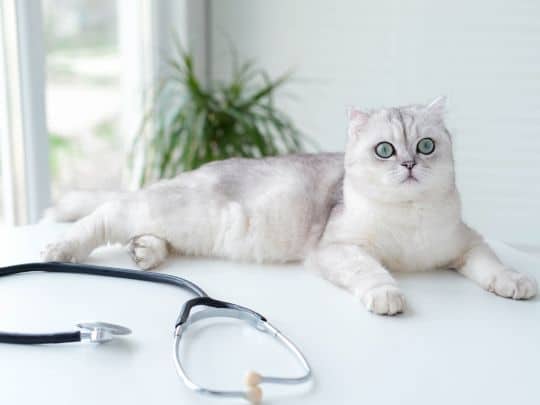
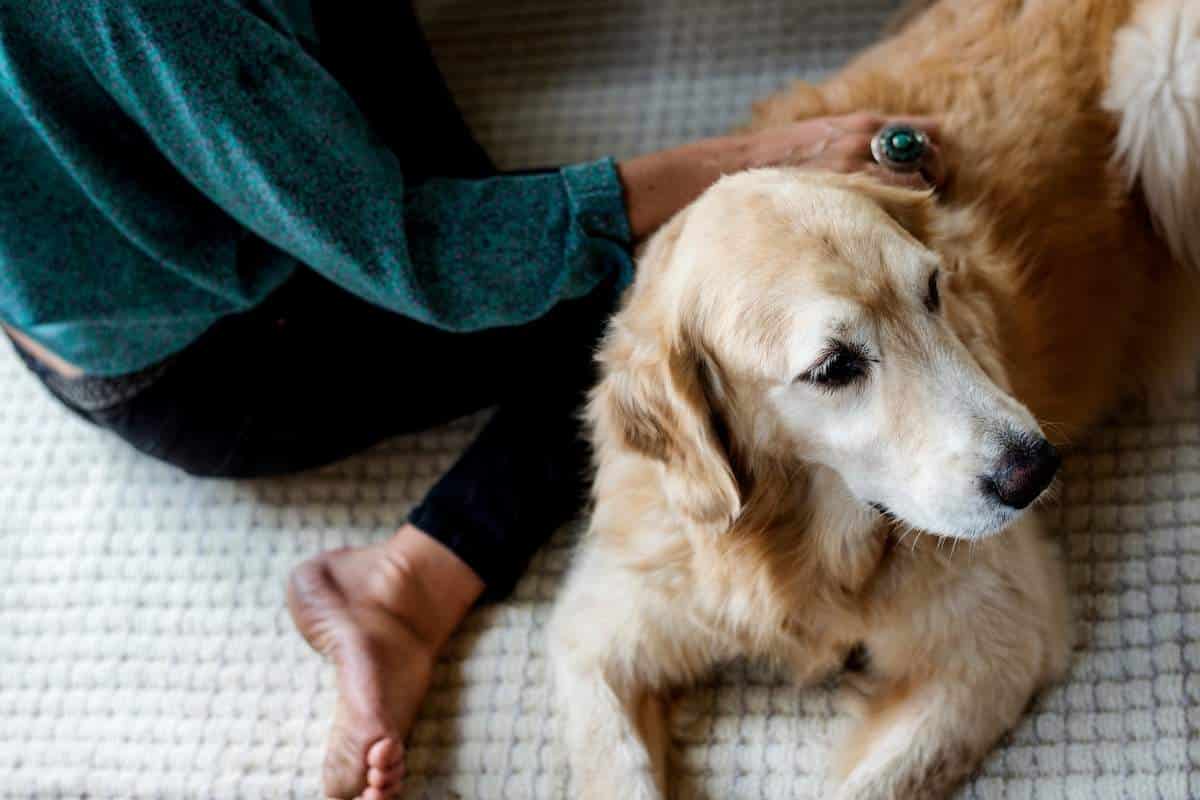
Bringing home a new pet is an exciting and rewarding experience, but it also comes with important responsibilities. As a first-time pet owner, understanding the basics of pet health and wellness can help your furry companion thrive from day one.
This guide covers veterinarian-approved health tips that every new pet owner should know, including proper nutrition, preventive healthcare, exercise, grooming, and creating a safe environment. Following these recommendations can help your pet enjoy a healthier and happier life.
Start With Proper Nutrition
Good health begins with a balanced diet.
Pets require nutrition that supports:
- Healthy growth and development
- Strong muscles and bones
- Healthy skin and coat
- Immune system function
- Daily energy needs
Choose a high-quality pet food formulated for your pet’s species, age, and size. Avoid feeding excessive table scraps, as many human foods can cause digestive problems or nutritional imbalances.
Schedule a Wellness Exam Early
One of the first things every new pet owner should do is schedule a wellness visit.
An initial examination allows your veterinary team to:
- Assess overall health
- Discuss vaccination schedules
- Identify potential concerns
- Establish preventive care plans
- Answer questions about your pet’s needs
Early veterinary care helps lay the foundation for long-term wellness.
Keep Vaccinations Up to Date
Vaccinations play a critical role in protecting pets from preventable diseases.
Your pet’s vaccination schedule may depend on:
- Age
- Lifestyle
- Environment
- Travel habits
Following recommended vaccination guidelines helps protect both your pet and the broader pet community.
Focus on Parasite Prevention
Parasites can affect pets year-round.
Common threats include:
- Fleas
- Ticks
- Heartworms
- Intestinal parasites
Preventive medications can help reduce the risk of these potentially serious health issues.
Make Exercise Part of Your Daily Routine
Regular exercise helps pets stay healthy physically and mentally.
Benefits include:
- Weight management
- Improved cardiovascular health
- Better muscle tone
- Reduced boredom
- Enhanced behavior
Dogs often benefit from walks, games, and outdoor activities, while cats enjoy interactive toys and climbing opportunities.
Learn the Importance of Dental Care
Dental disease is one of the most common health conditions in pets.
Good oral care helps reduce:
- Plaque buildup
- Tartar accumulation
- Bad breath
- Gum disease
- Tooth loss
Regular brushing, dental chews, and routine dental evaluations can support lifelong oral health.
Create a Safe Home Environment
A pet-friendly home helps prevent accidents and injuries.
Take steps to:
- Store medications securely
- Keep toxic foods out of reach
- Remove choking hazards
- Secure household chemicals
- Protect electrical cords
Simple precautions can greatly improve your pet’s safety.
Understand Your Pet’s Normal Behavior
Every pet has unique habits and routines.
Pay attention to:
- Appetite
- Energy levels
- Bathroom habits
- Sleeping patterns
- Social interactions
Knowing what is normal for your pet makes it easier to recognize when something may be wrong.
Prioritize Mental Enrichment
Mental stimulation is just as important as physical exercise.
Activities that encourage mental engagement include:
- Puzzle feeders
- Training sessions
- Interactive toys
- Food enrichment games
Keeping pets mentally active can help reduce stress and prevent boredom-related behaviors.
Groom Your Pet Regularly
Routine grooming offers benefits beyond appearance.
Regular grooming can help:
- Reduce shedding
- Prevent matting
- Maintain healthy skin
- Detect lumps or skin changes early
The grooming needs of each pet will vary depending on breed and coat type.
Monitor Weight and Body Condition
Maintaining a healthy weight is important for preventing many common health issues.
Excess weight may increase the risk of:
- Arthritis
- Diabetes
- Heart disease
- Reduced mobility
Regular monitoring and proper portion control can help keep your pet in good condition.
Build a Relationship With Your Pet’s Care Team
Having a trusted veterinary partner makes pet ownership easier and less stressful.
Whether you need preventive care, nutritional guidance, or treatment recommendations, a reliable veterinary hospital can provide valuable support throughout your pet’s life.
Building a strong relationship with your veterinary team helps ensure consistent and personalized care.
Know When to Seek Veterinary Attention
Contact your veterinary provider if you notice:
- Loss of appetite
- Vomiting or diarrhea
- Lethargy
- Difficulty breathing
- Sudden behavioral changes
- Unexplained weight loss
Prompt attention to health concerns can often lead to earlier diagnosis and more effective treatment.
Small Steps Today Create a Healthier Future
Being a first-time pet owner comes with a learning curve, but focusing on proper nutrition, preventive healthcare, exercise, dental care, grooming, and mental enrichment can help your pet thrive. Consistent care and early attention to health concerns can make a lasting difference in your pet’s quality of life and overall well-being.
Give Your New Pet the Best Start Possible
For professional pet wellness services in Columbia, contact Animal Mansion Veterinary Hospital today. Our experienced team is dedicated to helping first-time pet owners provide exceptional care and helping pets live long, healthy lives.
FAQs
Q1: What should I do first after bringing home a new pet?
Ans: Schedule a wellness examination, provide a balanced diet, and create a safe environment to help your pet adjust successfully.
Q2: How often should first-time pet owners visit the vet?
Ans: Most pets should have regular wellness exams at least once a year, though puppies, kittens, and senior pets may need more frequent visits.
Q3: Why is preventive care important for pets?
Ans: Preventive care helps detect health issues early, protects against disease, and supports long-term wellness.
Q4: How can I keep my pet healthy at home?
Ans: Provide proper nutrition, regular exercise, dental care, mental stimulation, and monitor for changes in behavior or health.
Q5: What are common mistakes first-time pet owners make?
Ans: Common mistakes include skipping preventive care, overfeeding, neglecting dental health, and waiting too long to seek veterinary attention when problems arise.