Your pet depends on you to recognize when something may be wrong, but many health conditions develop quietly before noticeable symptoms appear. Veterinary diagnostics play a critical role in identifying hidden illnesses, monitoring ongoing conditions, and supporting your pet’s long-term wellness. From routine bloodwork to advanced imaging, diagnostic tools help veterinarians understand your pet’s health more accurately and create treatment plans that improve both quality of life and longevity.
Whether your pet appears healthy or is showing subtle signs of discomfort, diagnostic care can reveal important information that helps prevent small issues from becoming serious problems. Preventive testing is one of the most effective ways to support lifelong health and ensure pets receive the care they need at every stage of life.
What Is Veterinary Diagnostic Care?
Veterinary diagnostic care involves medical testing and imaging used to evaluate your pet’s internal health. These tests allow veterinarians to identify illnesses, assess organ function, detect infections, and monitor chronic conditions.
Diagnostic services may include:
- Blood tests
- Urinalysis
- Fecal examinations
- X-rays
- Ultrasounds
- Allergy testing
- Skin and ear cytology
- Biopsies
- Heartworm and parasite testing
- Digital imaging and laboratory evaluations
These tools provide valuable insights that cannot be detected during a physical exam alone. By identifying health concerns early, diagnostic care helps veterinarians recommend faster and more effective treatments.
Why Early Detection Matters
Pets are naturally skilled at hiding pain and discomfort. In many cases, signs of illness may not become noticeable until a condition has progressed significantly. Diagnostic testing allows veterinarians to uncover hidden issues before they become severe or life-threatening.
Early detection can help identify:
- Kidney disease
- Diabetes
- Liver disease
- Heart conditions
- Thyroid disorders
- Dental infections
- Cancer
- Urinary tract infections
- Intestinal parasites
When illnesses are diagnosed early, treatment is often more successful, less invasive, and more affordable. Routine diagnostic care also reduces the risk of emergency situations by catching problems before they escalate.
Routine Wellness Testing Supports Lifelong Health
Diagnostic testing is not only for sick pets. Routine wellness screenings are an important part of preventive care and can establish a baseline for your pet’s normal health.
Annual or semi-annual testing helps veterinarians:
- Track changes in organ function
- Monitor weight and metabolism
- Detect age-related conditions early
- Evaluate medication effectiveness
- Identify hidden infections or inflammation
Puppies and kittens benefit from early screenings to ensure healthy development, while senior pets often require more frequent diagnostics to monitor aging-related conditions. Regular wellness testing helps your veterinarian compare results over time and recognize subtle changes that may indicate developing health concerns.
Common Diagnostic Tests for Pets
Blood Testing
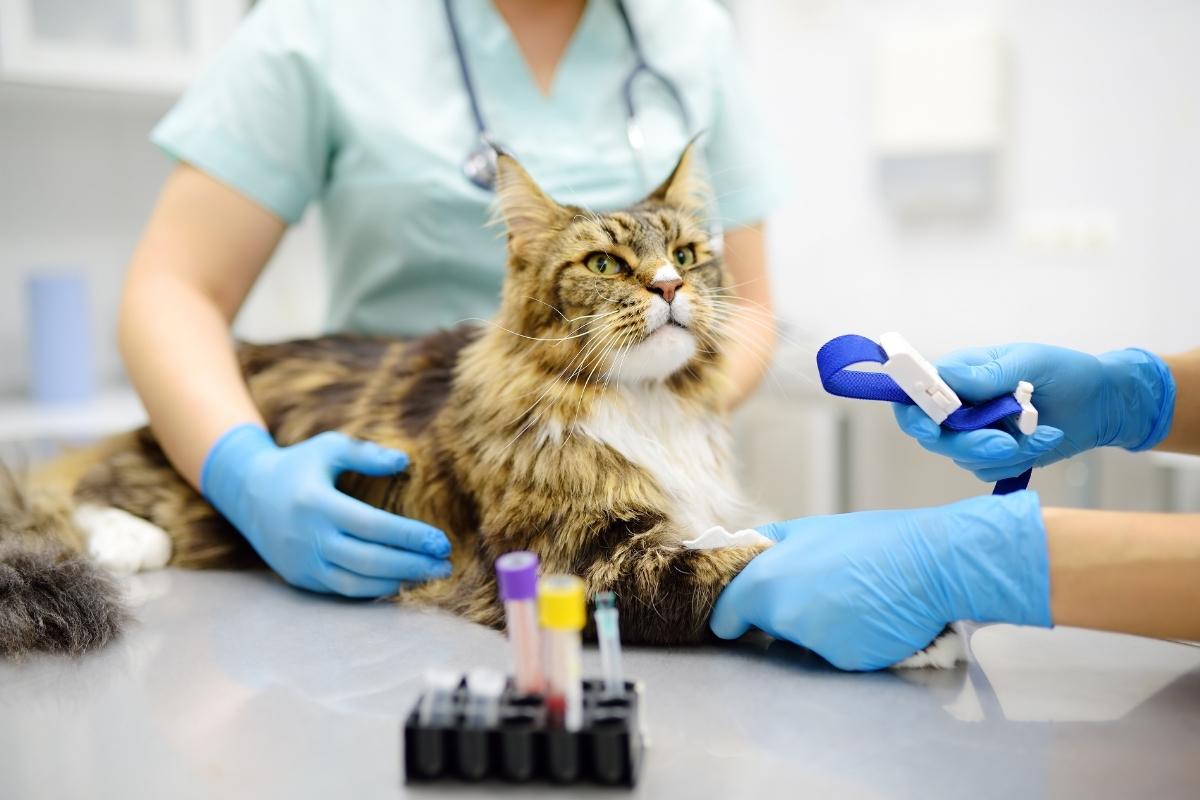
Bloodwork is one of the most common and valuable diagnostic tools in veterinary medicine. It provides important information about your pet’s organs, immune system, hydration levels, and overall health.
Routine blood panels may help detect:
- Anemia
- Infection
- Diabetes
- Liver disease
- Kidney disease
- Thyroid imbalances
Blood testing is also commonly performed before surgery to ensure pets are healthy enough for anesthesia.
Urinalysis
Urinalysis evaluates your pet’s urine for signs of infection, dehydration, kidney issues, or urinary tract disease. This test can also help detect diabetes and bladder stones.
Changes in urine concentration, blood presence, or protein levels often provide early warning signs of illness before visible symptoms develop.
Fecal Testing
Fecal exams help identify intestinal parasites such as roundworms, hookworms, whipworms, and giardia. Some parasites can spread to humans and other pets, making routine screening essential for both pet and family health.
Even indoor pets may be exposed to parasites through contaminated environments, insects, or contact with infected animals.
Digital X-Rays and Imaging
Diagnostic imaging allows veterinarians to examine internal structures without surgery. X-rays are commonly used to evaluate:
- Broken bones
- Arthritis
- Tumors
- Dental disease
- Lung and heart conditions
- Digestive blockages
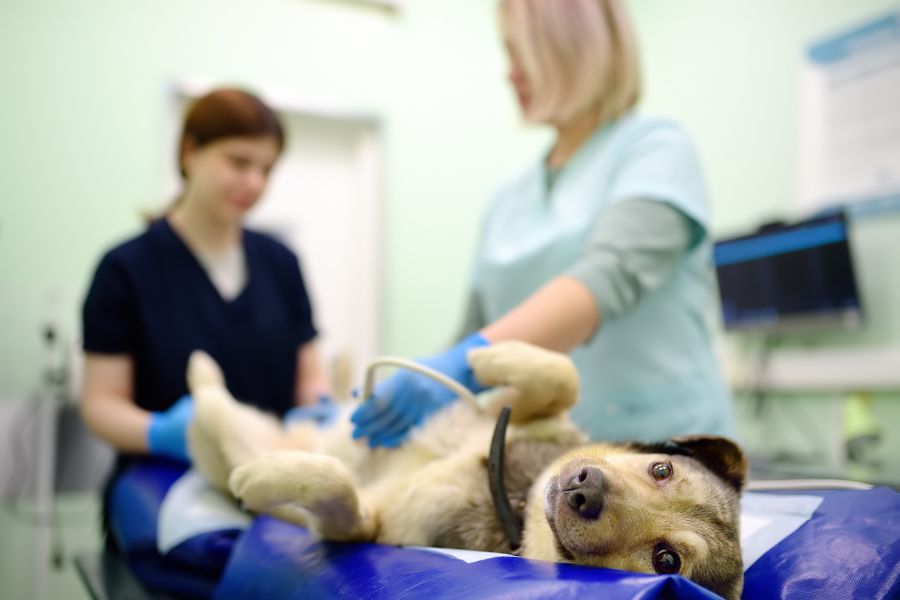
Ultrasound imaging provides additional detail for evaluating soft tissues and organs such as the liver, kidneys, bladder, and heart.
Advanced imaging helps veterinarians make more accurate diagnoses and determine the best treatment approach.
Diagnostic Care for Senior Pets
As pets age, they become more vulnerable to chronic illnesses and degenerative conditions. Senior pets often experience gradual changes that may go unnoticed at home.
Routine diagnostic care for older pets can help detect:
- Arthritis
- Kidney disease
- Heart disease
- Cancer
- Cognitive decline
- Hormonal disorders
Because many age-related illnesses progress slowly, early diagnosis can significantly improve treatment outcomes and quality of life. Senior wellness testing also helps veterinarians adjust nutrition, medications, and lifestyle recommendations to better support aging pets.
How Diagnostics Improve Treatment Plans
Accurate diagnosis is the foundation of effective veterinary care. Without proper testing, symptoms alone may not reveal the true cause of your pet’s condition.
Diagnostic testing helps veterinarians:
- Confirm medical conditions
- Determine disease severity
- Choose appropriate medications
- Monitor treatment progress
- Prevent unnecessary procedures
- Personalize long-term care plans
For example, symptoms like vomiting or lethargy can result from many different conditions. Diagnostic testing helps pinpoint the exact issue so treatment can be targeted and effective.
Preventive Diagnostics Save Time and Money
Some pet owners delay testing because their pets seem healthy or because they worry about costs. However, preventive diagnostic care often saves money over time by helping veterinarians address problems before they become serious.
Treating an illness early is typically less expensive than managing advanced disease or emergency complications. Preventive diagnostics may also reduce the need for hospitalization or invasive procedures.
Routine testing provides peace of mind and helps pet owners make informed decisions about their pet’s care.
Signs Your Pet May Need Diagnostic Testing
While routine wellness testing is important, pets should also receive diagnostic evaluations when unusual symptoms appear.
Signs that may indicate the need for testing include:
- Changes in appetite
- Increased thirst or urination
- Vomiting or diarrhea
- Weight loss
- Fatigue or weakness
- Persistent coughing
- Difficulty walking
- Skin irritation
- Bad breath
- Behavioral changes
Even mild symptoms can sometimes indicate underlying medical conditions. Prompt diagnostic care helps veterinarians identify the cause and begin treatment quickly.
The Role of Technology in Modern Veterinary Diagnostics
Veterinary medicine continues to advance with improved diagnostic technology that allows for faster and more accurate results. Many animal hospitals now use digital imaging, in-house laboratory testing, and advanced monitoring equipment to diagnose conditions more efficiently.
Modern diagnostics offer several benefits, including:
- Faster test results
- More accurate diagnoses
- Reduced stress for pets
- Earlier treatment intervention
- Better monitoring of chronic conditions
Technology has made it possible for veterinarians to provide more comprehensive care and improve outcomes for pets with complex medical needs.
Supporting Long-Term Wellness Through Preventive Care
Diagnostic care is one of the most valuable tools for maintaining your pet’s long-term health. Combined with regular wellness exams, vaccinations, parasite prevention, proper nutrition, and dental care, diagnostics help create a complete preventive healthcare plan.
Preventive care allows veterinarians to:
- Monitor your pet’s health consistently
- Detect disease earlier
- Address issues before symptoms worsen
- Improve long-term quality of life
- Help pets live healthier, longer lives
Consistent veterinary visits and routine screenings provide the best opportunity to protect your pet from preventable illnesses and chronic health conditions.
Compassionate Diagnostic Care in Columbia
At Animal Mansion Veterinary Hospital, pets receive comprehensive diagnostic services designed to support lifelong wellness and early disease detection. From routine wellness testing to advanced diagnostic imaging, the experienced veterinary team is committed to providing personalized care for pets in every stage of life.
If your pet is due for a wellness exam or showing signs of illness, don’t wait to seek professional care. Schedule an appointment today to protect your pet’s health and ensure they receive the diagnostic support they need for a healthier future.
Frequently Asked Questions
1. How often should pets receive diagnostic testing?
Ans: Most pets benefit from annual wellness testing, while senior pets or pets with chronic conditions may need diagnostics every six months or more frequently based on their health needs.
2. Is bloodwork necessary if my pet seems healthy?
Ans: Yes. Many illnesses develop without obvious symptoms. Routine bloodwork can detect hidden conditions early and establish a baseline for future comparisons.
3. Are diagnostic tests safe for pets?
Ans: Most veterinary diagnostic procedures are minimally invasive and considered very safe. Veterinarians take precautions to ensure pets remain comfortable during testing.
4. Why are diagnostic tests important before surgery?
Ans: Pre-surgical testing helps veterinarians evaluate organ function and identify potential health concerns that could affect anesthesia safety.
5. What conditions can X-rays detect in pets?
Ans: X-rays can help diagnose fractures, arthritis, tumors, dental disease, heart enlargement, lung conditions, and digestive blockages.
6. When should I bring my pet in for diagnostic care?
Ans: You should schedule diagnostic testing if your pet shows unusual symptoms such as vomiting, weight loss, fatigue, coughing, appetite changes, or behavioral differences. Routine wellness screenings are also recommended regularly.