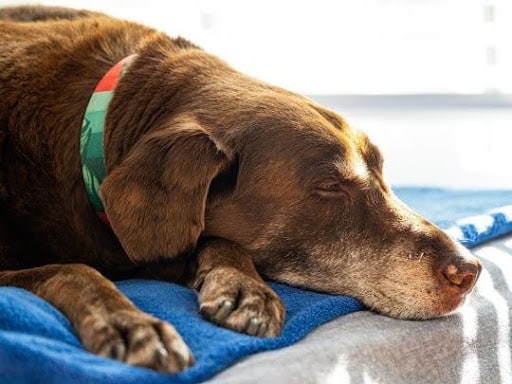

As dogs age, their needs begin to change in ways that require extra attention, patience, and care. Just like humans, senior dogs experience physical and mental changes that can affect their quality of life. Understanding these changes and adjusting your care routine can help your furry companion stay comfortable, happy, and healthy in their golden years.
Whether you’ve just noticed signs of aging or your pet has been slowing down for a while, here’s everything you need to know about caring for senior dogs.
When Is a Dog Considered a Senior?
Dogs typically enter their senior years between the ages of 7 and 10, depending on their breed and size. Larger breeds tend to age faster and may show signs of aging earlier than smaller dogs. Common signs of aging include reduced energy levels, graying fur, stiffness, and changes in appetite or behavior.
Recognizing these early signs allows pet owners to adapt care routines and seek guidance from a trusted vet when necessary.
Common Health Changes in Senior Dogs
As dogs grow older, they become more prone to certain health conditions. Regular check-ups with experienced veterinarians are essential to detect and manage these issues early.
1. Joint Problems and Arthritis
Many senior dogs suffer from joint stiffness or arthritis, making it harder for them to move around. You may notice difficulty climbing stairs, reluctance to jump, or limping.
2. Dental Disease
Oral health often declines with age. Bad breath, difficulty chewing, or swollen gums may indicate dental problems that need professional care.
3. Vision and Hearing Loss
Older dogs may develop cataracts or experience hearing loss. These changes can sometimes lead to confusion or anxiety.
4. Weight Changes
Senior dogs may gain or lose weight due to slower metabolism or underlying health conditions.
5. Cognitive Decline
Some dogs experience cognitive dysfunction, similar to dementia in humans. Signs include disorientation, changes in sleep patterns, and decreased interaction.
Nutrition for Senior Dogs
Proper nutrition plays a vital role in maintaining your dog’s health as they age. Senior dogs require a balanced diet tailored to their changing needs.
- Lower calories: Helps prevent weight gain due to reduced activity
- High-quality protein: Supports muscle maintenance
- Joint supplements: Ingredients like glucosamine and chondroitin can help support mobility
- Easily digestible food: Supports aging digestive systems
Always consult your vet before making significant dietary changes to ensure your dog receives the right nutrients.
Exercise and Physical Activity
Even though senior dogs may slow down, regular exercise is still essential. It helps maintain muscle tone, supports joint health, and prevents obesity.
- Opt for short, gentle walks instead of long, intense activities
- Allow plenty of rest breaks
- Engage in low-impact activities like swimming or light play
Pay attention to your dog’s limits and adjust activities accordingly. Overexertion can lead to injury or discomfort.
Creating a Comfortable Living Environment
Your dog’s comfort becomes increasingly important as they age. Making small changes at home can greatly improve their quality of life.
- Provide a soft, supportive bed to ease joint pressure
- Use ramps or stairs to help them access furniture or vehicles
- Keep food, water, and sleeping areas easily accessible
- Maintain a consistent routine to reduce stress
A comfortable environment helps reduce pain and anxiety, especially for dogs experiencing mobility or cognitive issues.
Importance of Regular Veterinary Care
Routine veterinary visits become even more critical during your dog’s senior years. Preventive care allows early detection of health issues and ensures timely treatment.
Senior dogs should visit veterinarians at least twice a year for:
- Comprehensive physical exams
- Blood work and diagnostic testing
- Dental evaluations
- Vaccination updates
If you notice any unusual changes in your dog’s behavior or health, schedule an appointment to address concerns promptly.
Grooming and Hygiene
Regular grooming is essential for senior dogs, not only for appearance but also for overall health.
- Brush their coat to prevent matting and improve circulation
- Trim nails regularly to avoid discomfort while walking
- Check ears and eyes for signs of infection
- Maintain dental hygiene with brushing or dental treats
Older dogs may have more sensitive skin, so use gentle grooming products and techniques.
Mental Stimulation and Emotional Well-Being
Keeping your senior dog mentally engaged is just as important as physical care. Mental stimulation can help slow cognitive decline and keep your pet happy.
- Provide interactive toys and puzzles
- Teach simple new tricks or reinforce old ones
- Spend quality time together through gentle play or cuddling
Senior dogs often become more attached to their owners, so consistent companionship and affection are essential.
Monitoring Behavior and Subtle Changes
One of the most important aspects of senior dog care is paying attention to subtle changes. Even small differences in behavior, appetite, or energy levels can signal underlying health issues.
Watch for:
- Increased thirst or urination
- Changes in sleeping patterns
- Loss of interest in activities
- Signs of pain or discomfort
Early intervention can make a significant difference in managing age-related conditions effectively.
Final Thoughts
Caring for a senior dog requires dedication, compassion, and a proactive approach to their health and well-being. By understanding their changing needs and working closely with experienced veterinarians, you can ensure your dog enjoys a comfortable and fulfilling life in their later years.
From proper nutrition and regular exercise to routine check-ups and a supportive home environment, every step you take contributes to your pet’s longevity and happiness. Your loyal companion has given you years of love now it’s your turn to provide the care they deserve.
FAQs
1. How often should I take my senior dog to the vet?
Ans: Senior dogs should visit the vet at least twice a year for check-ups and preventive care.
2. What are the signs of aging in dogs?
Ans: Common signs include reduced energy, joint stiffness, weight changes, and changes in behavior or appetite.
3. Can senior dogs still exercise?
Ans: Yes, but exercise should be low-impact and tailored to their comfort level, such as short walks or gentle play.
4. What should I feed my senior dog?
Ans: A balanced diet with high-quality protein, fewer calories, and joint-supporting nutrients is ideal. Consult your vet for recommendations.
5. How can I improve my senior dog’s comfort at home?
Ans: Provide a soft bed, easy access to essentials, and minimize obstacles to help them move around safely.
6. Is cognitive decline common in older dogs?
Ans: Yes, some senior dogs experience cognitive dysfunction, but mental stimulation and routine can help manage symptoms.