

Every pet owner hopes their companion will live a long, happy, and healthy life. One of the most effective ways to support your pet’s well-being is through preventive care. Instead of waiting for health problems to appear, preventive veterinary care focuses on early detection, routine monitoring, and proactive treatments that help pets stay healthy throughout their lives.
By prioritizing preventive care, pet owners can identify potential health issues early, reduce the risk of serious illness, and improve their pet’s overall quality of life.
The Importance of Routine Wellness Exams
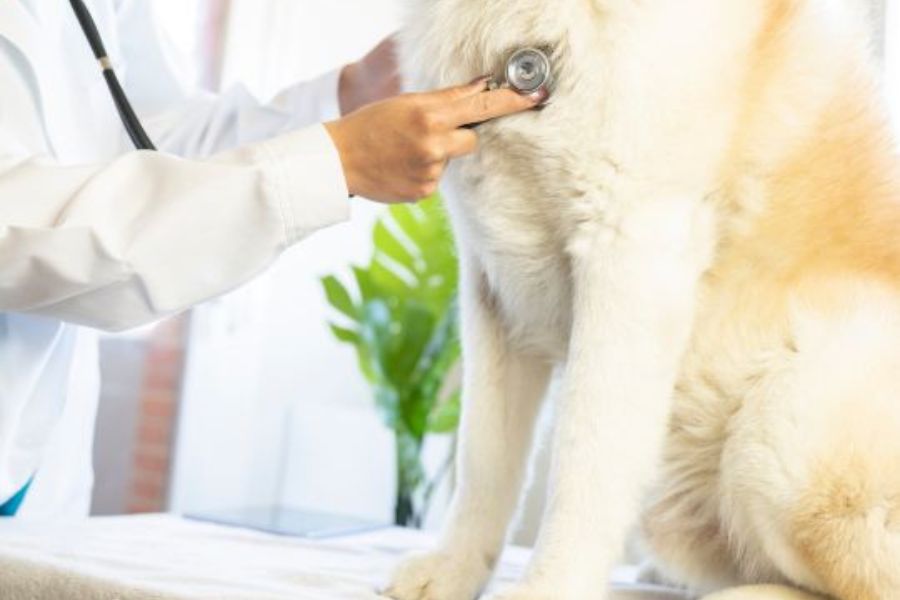
Regular wellness exams are a key part of preventive care for pets. During these visits, veterinarians evaluate your pet’s overall health, checking their heart, lungs, eyes, ears, skin, teeth, and weight.
Unlike emergency visits that address specific illnesses, wellness exams focus on detecting early signs of health concerns before they become serious. Small changes in behavior, appetite, or physical condition can sometimes indicate underlying problems that require attention.
Routine checkups allow veterinarians to monitor your pet’s health over time and provide guidance on nutrition, lifestyle, and preventive treatments.
Vaccinations Protect Pets from Serious Diseases
Vaccinations are another essential part of preventive care. They help protect pets from potentially life-threatening illnesses such as rabies, distemper, and parvovirus.
Puppies and kittens typically receive a series of vaccines early in life, but ongoing booster shots are equally important as pets grow older. Staying up to date with vaccinations helps maintain immunity and prevents the spread of contagious diseases.
Keeping your pet vaccinated protects not only your animal but also other pets within the community.
Proper Nutrition Supports Long-Term Health
A balanced diet plays a major role in preventive care. Providing high-quality nutrition helps maintain a healthy weight, supports immune function, and promotes overall vitality.
Nutritional needs can change depending on your pet’s age, breed, and activity level. Growing puppies and kittens require diets that support development, while senior pets may benefit from foods designed for joint health, digestion, or weight management.
Consulting with a veterinarian can help ensure your pet receives the right nutrition throughout every stage of life.
Dental Care Is an Important Part of Preventive Health
Dental health is often overlooked, yet it plays a significant role in a pet’s overall well-being. Plaque buildup, gum disease, and untreated dental infections can cause pain and may lead to more serious health problems if left untreated.
Regular dental checkups, professional cleanings, and at-home dental care such as brushing or dental chews can help maintain healthy teeth and gums.
By prioritizing dental care, pet owners can help prevent oral discomfort and protect their pet’s long-term health.
Parasite Prevention Keeps Pets Safe
Parasites such as fleas, ticks, and heartworms can cause serious health problems for pets. Preventive medications and routine screenings help protect pets from these hidden threats.
Because parasites can be present year-round, maintaining consistent prevention is important. Regular preventive care reduces the risk of infections and helps keep pets comfortable and healthy.
Preventive Care for Senior Pets
As pets age, their healthcare needs change. Senior pets may require more frequent veterinary visits, blood tests, and screenings to monitor age-related conditions such as arthritis, kidney disease, or diabetes.
Early detection of these conditions allows veterinarians to provide treatments and lifestyle adjustments that improve comfort and quality of life.
Preventive care helps senior pets stay active and healthy during their later years.
Supporting Preventive Care at Home
While veterinary visits are important, pet owners also play a key role in preventive care at home. Daily habits such as regular exercise, grooming, and observing changes in behavior or appetite can help identify potential health concerns early.
Creating a safe and comfortable home environment also supports your pet’s overall health. Keeping harmful substances out of reach and providing mental stimulation can help prevent injuries and stress.
Helping Pets Live Longer, Healthier Lives
Preventive care focuses on maintaining wellness rather than simply treating illness. Regular checkups, vaccinations, proper nutrition, dental care, and parasite prevention all contribute to a healthier life for pets.
The team at Animal Mansion Veterinary Hospital works closely with pet owners to provide comprehensive preventive care that supports pets through every stage of life. By taking proactive steps today, you can help your pet enjoy a longer and happier future.
Frequently Asked Questions
1. What is preventive care for pets?
Preventive care includes routine veterinary exams, vaccinations, parasite prevention, dental care, and proper nutrition to help prevent illness and maintain overall health.
2. How often should my pet have a wellness exam?
Most pets should have a wellness exam at least once a year. Senior pets or those with health concerns may need more frequent checkups.
3. Why are vaccinations important for pets?
Vaccinations protect pets from serious diseases and help prevent the spread of contagious illnesses within the community.
4. What role does nutrition play in preventive care?
A balanced diet supports immune function, maintains a healthy weight, and helps prevent many health issues.
5. Why is parasite prevention necessary year-round?
Parasites like fleas, ticks, and heartworms can cause serious health problems. Preventive medications protect pets from these risks throughout the year.