

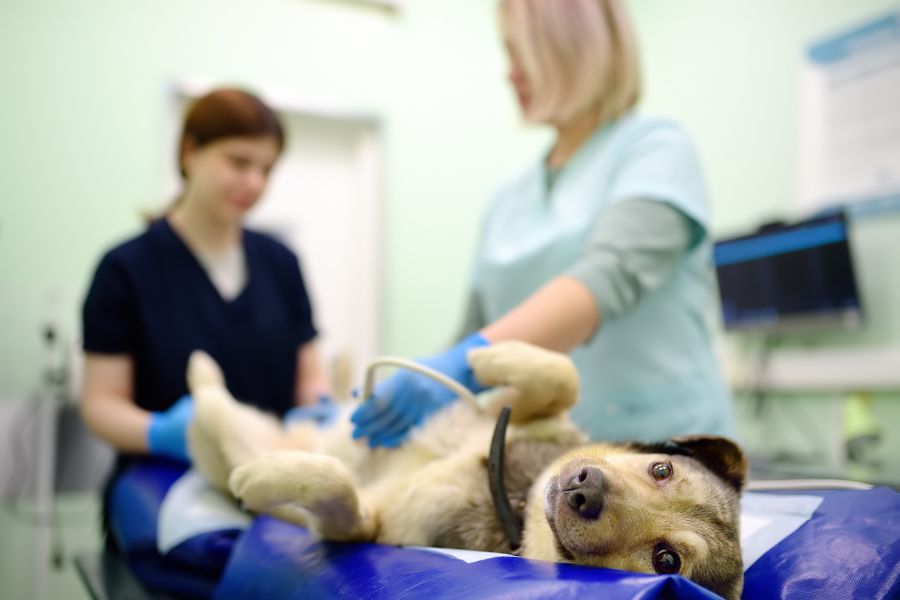
When your veterinarian recommends a dog diagnostic test, it can feel overwhelming. From X-rays to ultrasounds and advanced lab work, these tools help uncover what your dog cannot tell us in words. In this guide, we will walk you through common dog medical tests, explain how they work, when they are needed, and what you can expect during your dog’s diagnostic exam. Understanding these procedures can help you make confident, informed decisions about your pet’s health.
Why Dog Diagnostic Tests Are So Important
Dogs cannot describe their pain or symptoms. Subtle changes like decreased appetite, limping, vomiting, or lethargy often require deeper investigation. That is where a dog diagnostic test becomes essential.
Veterinarians use diagnostic tools to:
- Detect injuries or internal abnormalities
- Diagnose infections or chronic disease
- Identify tumors or organ issues
- Monitor ongoing conditions
- Guide treatment plans safely and accurately
Early detection improves outcomes significantly. Many conditions, including kidney disease, heart problems, and certain cancers, respond better when caught early.
Digital X-Rays for Dogs
What Are X-Rays?
X-rays, also called radiographs, are one of the most common dog medical tests. They create images of bones and certain internal structures using low levels of radiation.
What Do X-Rays Detect?
X-rays are especially useful for identifying:
- Broken bones and fractures
- Arthritis and joint degeneration
- Swallowed foreign objects
- Lung conditions such as pneumonia
- Enlarged heart
- Abdominal blockages
For example, if your dog suddenly starts limping, a dog diagnostic test like an X-ray can quickly confirm whether there is a fracture or ligament issue.
Are X-Rays Safe for Dogs?
Yes, modern digital radiography uses minimal radiation. In some cases, light sedation may be recommended to keep your dog still and ensure clear images.
Ultrasound for Dogs
How Is Ultrasound Different from X-Rays?
Unlike X-rays, ultrasound uses sound waves to create real-time images of soft tissues. This makes it an excellent dog diagnostic test for examining organs that X-rays cannot clearly show.
What Conditions Can Ultrasound Detect?
Ultrasounds are commonly used to evaluate:
- Liver and kidney disease
- Bladder stones
- Tumors or masses
- Heart conditions
- Pregnancy
- Fluid buildup in the abdomen
If a dog has ongoing vomiting or abnormal bloodwork, an ultrasound often provides a clearer look at internal organs.
Is Ultrasound Painful?
No, ultrasound is non-invasive and typically painless. Most dogs remain awake during the procedure, and sedation is rarely needed.
Bloodwork and Laboratory Testing
Blood tests are among the most important dog medical tests performed during a diagnostic exam. They give us a detailed look at how internal organs function.
Common Blood Tests Include:
- Complete Blood Count (CBC)
- Evaluates red and white blood cells
- Detects infection, anemia, or inflammation
- Blood Chemistry Panel
- Assesses liver and kidney function
- Measures blood sugar levels
- Checks electrolyte balance
- Thyroid Testing
- Screens for hypothyroidism, especially in middle-aged and senior dogs
Routine bloodwork is often recommended annually for adult dogs and twice yearly for senior pets. Early changes in lab values often appear before physical symptoms develop.
Urinalysis and Fecal Testing
These simple but powerful dog diagnostic tests help evaluate your dog’s urinary and digestive systems.
Urinalysis Can Detect:
- Urinary tract infections
- Kidney disease
- Bladder crystals or stones
- Diabetes
Fecal Exams Identify:
- Intestinal parasites
- Giardia
- Roundworms, hookworms, and whipworms
Even indoor dogs benefit from routine screening. Parasites are more common than many owners realize.
Advanced Diagnostic Testing
In more complex cases, your veterinarian may recommend advanced imaging or specialized testing.
CT Scan for Dogs
A CT scan provides detailed cross-sectional images of bones and soft tissues. It is often used to evaluate:
- Complex fractures
- Nasal tumors
- Spinal conditions
MRI for Dogs
MRI is especially useful for neurological cases, including:
- Seizures
- Brain tumors
- Intervertebral disc disease
Biopsy and Cytology
If a lump or abnormal tissue is found, a biopsy allows laboratory analysis to determine whether it is benign or malignant. These advanced dog medical tests are typically recommended when standard imaging does not provide enough information.
What to Expect During Your Dog’s Diagnostic Exam
Understanding the process can ease anxiety for both you and your pet.
Step 1: Physical Examination
Your veterinarian begins with a thorough nose-to-tail exam. This helps determine which dog diagnostic test is appropriate.
Step 2: Discussion of Symptoms
You will be asked about:
- Appetite changes
- Behavior differences
- Vomiting or diarrhea
- Coughing or limping
- Recent injuries
The more detail you provide, the more targeted the testing can be.
Step 3: Testing and Results
Some dog medical tests, like bloodwork and X-rays, provide same-day results. Others may take a few days if sent to a specialized laboratory. Your veterinarian will explain findings clearly and outline treatment options.
How Diagnostic Testing Improves Long-Term Health
Diagnostic tools are not just for emergencies. Preventive testing plays a major role in long-term wellness.
For example:
- Early kidney disease often has no visible symptoms
- Heart enlargement may be detected on X-ray before coughing develops
- Thyroid imbalances can cause subtle weight gain or lethargy
By using routine dog diagnostic tests, veterinarians can identify concerns early and adjust diet, medications, or lifestyle before serious complications occur. Preventive screening is especially important for senior dogs, large breeds prone to joint issues, and breeds predisposed to heart or endocrine conditions.
When Should You Schedule Dog Medical Tests?
Consider diagnostic testing if your dog shows:
- Persistent vomiting or diarrhea
- Sudden weight loss
- Excessive thirst or urination
- Limping or stiffness
- Chronic coughing
- Behavior changes
Routine wellness exams are equally important, even if your dog seems healthy. Annual or biannual exams allow early detection of silent conditions.
Understanding what happens during a dog diagnostic care helps you feel prepared and confident when your veterinarian recommends imaging or lab work. From X-rays and ultrasounds to advanced blood panels and biopsies, these tools allow us to diagnose accurately and treat effectively.
If your dog is showing unusual symptoms or it is time for preventive screening, and you are looking for “vet near me,” then Animal Mansion Veterinary Hospital in Columbia, NJ can help with early diagnosis. The early diagnosis can make all the difference in protecting your dog’s long-term health.
FAQs
Q1: What is the most common dog diagnostic test?
Ans: The most common dog medical tests include bloodwork and X-rays, as they provide essential information about organ health and bone structure.
Q2: Are dog X-rays safe?
Ans: Yes, modern digital X-rays use very low radiation levels and are considered safe for dogs. Sedation may be used for accuracy.
Q3: How long does it take to get results from dog blood tests?
Ans: Many blood test results are available the same day, while specialized tests may take several days depending on the laboratory.
Q4: Does my dog need diagnostic tests every year?
Ans: Annual bloodwork and routine screening are recommended, especially for senior dogs, to detect early signs of disease.
Q5: What is the difference between an ultrasound and an X-ray for dogs?
Ans: An X-ray evaluates bones and dense structures, while an ultrasound examines soft tissues and organs in real time. Both are important diagnostic tests for dogs, depending on symptoms.