

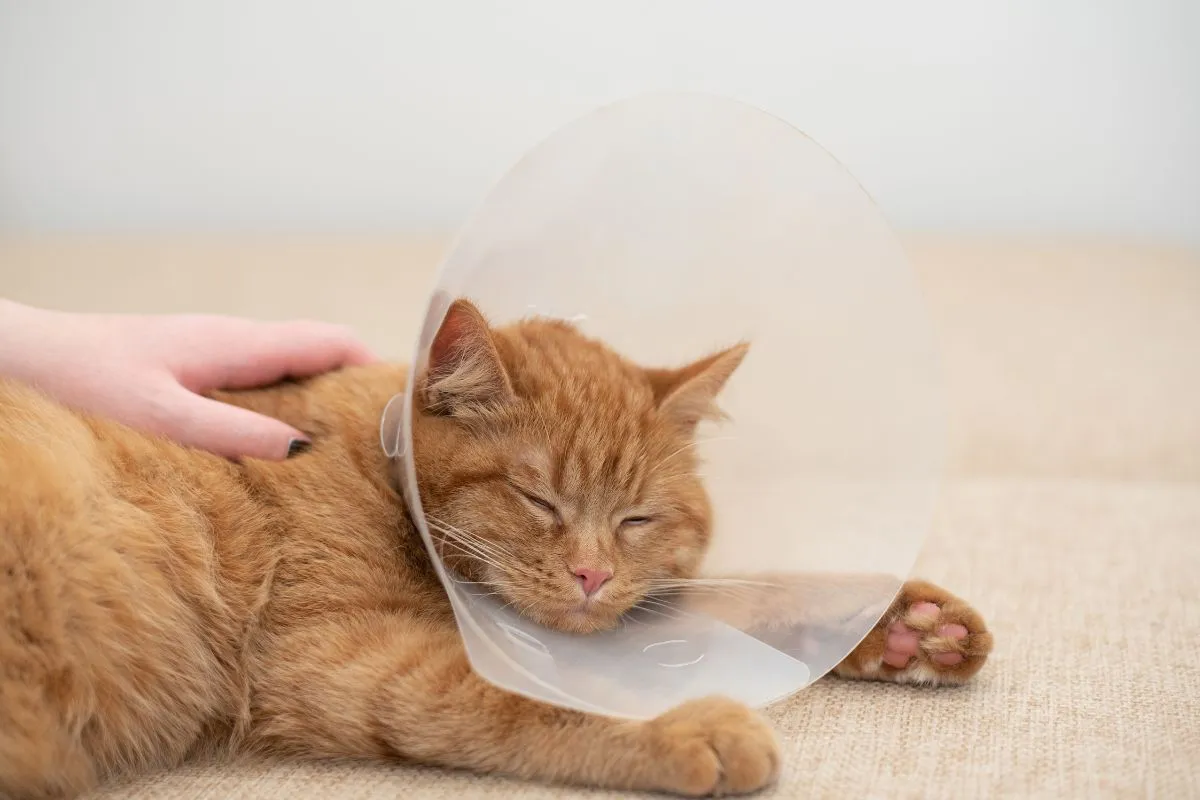
Caring for your cat after surgery is a crucial part of helping them heal properly. Whether it’s a routine procedure or a more complex operation, your cat will need extra attention, comfort, and care during recovery. With the right approach, you can help ensure a smooth and stress-free healing process.
Why Post-Surgery Care Matters
After surgery, your cat’s body needs time and support to recover. Proper care not only speeds up healing but also helps prevent complications like infections or injuries to the surgical site.
Essential Tips to Help Your Cat Recover
1. Follow Veterinary Instructions Closely
Your veterinarian will provide specific guidelines for medications, feeding, and activity restrictions. Following these instructions carefully is key to avoiding complications and ensuring proper healing. If anything is unclear, don’t hesitate to ask for clarification.
2. Set Up a Calm Recovery Space
Create a quiet, comfortable area where your cat can rest without disturbance. Keep them away from loud noises, children, and other pets. Make sure essentials like food, water, and a litter box are easily accessible.
3. Watch for Changes in Behavior
Cats often hide discomfort, so it’s important to monitor them closely. Signs of pain or distress may include:
- Loss of appetite
- Lethargy or unusual tiredness
- Excessive grooming near the incision
- Hiding or irritability
- Vocalizing more than usual
If you notice any of these symptoms, contact your veterinarian promptly.
4. Protect the Surgical Site
Prevent your cat from licking or biting their incision, as this can lead to infection or delayed healing. An Elizabethan collar (cone) is often recommended to keep the area protected until it fully heals.
5. Limit Movement and Activity
Restrict your cat’s activity to prevent strain on the surgical site. Avoid jumping, running, or rough play for at least 10–14 days, or as advised by your vet. Keeping your cat in a confined, safe space can help during this period.
6. Check for Signs of Infection
Regularly inspect the incision site for any unusual changes, such as:
- Redness or swelling
- Discharge or foul odor
- Increased sensitivity or pain
- Fever or behavioral changes
If you notice any of these warning signs, seek veterinary care immediately.
7. Support Recovery with Proper Nutrition
Your cat may have a reduced appetite after surgery, but proper nutrition is essential for healing. Offer easily digestible foods and ensure they stay hydrated. If your cat refuses to eat for more than 24 hours, consult your veterinarian.
8. Ease Back Into Routine
As your cat begins to feel better, gradually reintroduce normal activities. Follow your vet’s recommendations and avoid rushing the process to prevent setbacks.
Help Your Cat Heal with Confidence
Recovery can be a delicate time, but with attentive care and the right environment, your cat can return to their normal, happy self quickly. Monitoring their progress and staying proactive will make a big difference in their healing journey.
If your cat is scheduled for or recovering from pet surgery Columbia, don’t hesitate to schedule your appointment with Animal Mansion Veterinary Hospital. Our experienced team is here to provide compassionate care and support every step of the way.
FAQs
Q1. How long does it take for a cat to recover after surgery?
Most cats recover within 10–14 days, though more complex procedures may require additional time.
Q2. Can I give my cat over-the-counter pain medication?
No, human medications can be toxic to cats. Only use medications prescribed by your veterinarian.
Q3. How do I stop my cat from licking the incision?
An Elizabethan collar is the safest and most effective way to prevent licking or biting.
Q4. Is it okay for my cat to move around after surgery?
Limited movement is important. Avoid activities like jumping or running until your vet approves.
Q5. What if my cat won’t eat after surgery?
Try offering soft or wet food. If they refuse food for more than a day, contact your vet.
Q6. When can my cat return to normal activities?
Typically after 10–14 days, but always follow your veterinarian’s specific recommendations.