

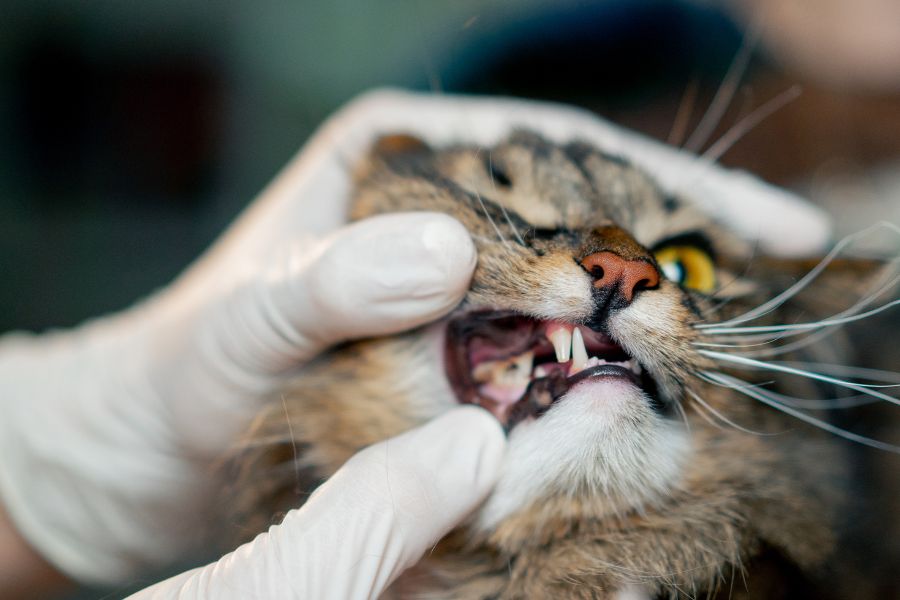
When it comes to cat dental care, what you see on the surface is only part of the story. Many serious dental problems hide beneath your cat’s gumline, where they can silently cause pain and infection. In this guide, we’ll explain how cat dental x-rays play a vital role in protecting your pet’s oral health, why they are essential for complete cat dental health, and what pet owners in the USA should know about dental imaging for their feline companions.
Why Cat Dental Care Is More Than Just Clean Teeth
Most pet owners assume that if their cat’s teeth look clean, their mouth must be healthy. Unfortunately, that is not always true.
Studies show that by age three, over 70 percent of cats have some form of dental disease. Much of this damage occurs below the gumline, where it cannot be seen during a simple visual exam.
Common hidden dental issues in cats include:
- Tooth root abscesses
- Periodontal disease
- Tooth resorption
- Jawbone loss
- Fractured roots
Without proper imaging, these problems can go unnoticed and untreated.
What Are Cat Dental X-Rays?
Cat dental x-rays, also known as dental radiographs, are specialized imaging tools that allow veterinarians to see beneath the gumline.
Unlike standard full-body X-rays, dental radiographs focus specifically on the teeth, roots, and surrounding bone. They provide detailed images that reveal hidden infections, bone changes, and structural damage.
Because cats are small and precise positioning is required, dental x-rays are typically performed while your pet is under anesthesia. This ensures safety, comfort, and accurate imaging.
Why Cat Dental X-Rays Are Essential for Cat Dental Health
1. Detecting Tooth Resorption Early
Tooth resorption is one of the most common and painful dental conditions in cats. It begins inside the tooth and destroys it from within.
From the outside, a tooth may look normal. However, X-rays can show:
- Internal root damage
- Bone replacement
- Hidden inflammation
Early detection allows for timely treatment, which prevents severe pain.
2. Identifying Hidden Infections
Infections often develop at the root tip, completely hidden beneath the gums.
Signs like bad breath or mild swelling may appear late in the disease. Dental radiographs help detect:
- Abscessed roots
- Bone loss
- Deep periodontal pockets
Treating these infections early protects your cat’s overall health.
3. Evaluating Periodontal Disease
Periodontal disease affects the tissues supporting the teeth. Even if tartar is removed during a cleaning, underlying bone loss may still exist.
X-rays allow veterinarians to assess:
- The extent of bone damage
- Whether a tooth can be saved
- If extraction is necessary
This ensures your cat receives the right treatment, not just a cosmetic cleaning.
4. Preventing Chronic Pain
Cats are experts at hiding discomfort. A cat with severe dental pain may continue eating and acting normally.
However, chronic oral pain can lead to:
- Reduced appetite
- Weight loss
- Behavioral changes
- Grooming issues
By using cat dental X-rays during routine dental procedures, veterinarians can identify pain sources before they become severe.
The Role of Dental X-Rays During Professional Cleanings
A professional dental cleaning is more than just scaling tartar. A complete procedure includes:
- Oral examination
- Ultrasonic scaling
- Polishing
- Full-mouth dental x-rays
- Targeted treatment if needed
Without dental radiographs, up to 60 percent of dental disease in cats could be missed because it occurs below the gumline.
In modern cat dental care, full-mouth x-rays are considered the standard of care.
Are Cat Dental X-Rays Safe?
Yes, dental X-rays are very safe when performed by trained veterinary professionals.
Here is why:
- Modern digital equipment uses very low radiation levels
- Cats are carefully monitored under anesthesia
- Procedures are quick and precise
- Protective safety measures are always followed
The benefits of detecting hidden disease far outweigh the minimal risk of radiation exposure.
Signs Your Cat May Need Dental X-Rays
Even if your cat has not had recent dental imaging, watch for these warning signs:
- Persistent bad breath
- Drooling
- Pawing at the mouth
- Difficulty chewing
- Bleeding gums
- Swelling around the face or jaw
If you notice any of these symptoms, a veterinary dental exam, including cat dental x-rays, may be recommended.
How Often Should Cats Have Dental X-Rays?
The frequency depends on your cat’s age and oral health history.
General recommendations:
- Young adult cats, baseline dental x-rays during first cleaning
- Adult cats, annual dental exams with x-rays as needed
- Senior cats or those with prior dental disease require more frequent imaging
Your veterinarian will create a customized dental plan based on your pet’s needs.
How Dental Health Affects Overall Health
Dental disease is not limited to the mouth. Bacteria from infected teeth can enter the bloodstream and impact major organs.
Poor cat dental health has been linked to:
- Heart disease
- Kidney issues
- Liver complications
- Chronic inflammation
By investing in routine cat dental care, including imaging, you are protecting your cat’s whole body, not just their smile.
What to Expect During a Cat Dental Visit
Here is what typically happens during a comprehensive dental procedure:
- Pre-anesthetic exam and bloodwork
- Safe anesthesia with monitoring
- Full-mouth dental x-rays
- Cleaning above and below the gumline
- Treatment plan discussion
- Recovery monitoring
Most cats recover quickly and often feel better within days if painful teeth are treated.
Why Early Prevention Matters
The earlier dental disease is detected, the less invasive the treatment.
Preventive steps you can take at home include:
- Brushing your cat’s teeth regularly
- Using veterinarian-approved dental treats
- Scheduling routine dental exams
- Watching for changes in eating behavior
However, even with great home care, cat dental X-rays remain the only way to see what is happening beneath the surface. Your cat’s smile is about more than clean, white teeth. True cat dental health requires looking below the gumline, where hidden infections and painful conditions can develop without visible signs.
Routine cat dental x-rays are a crucial part of complete cat dental care, helping detect disease early, prevent chronic pain, and protect your pet’s overall well-being. If your cat is due for a dental exam, contact Animal Mansion Veterinary Hospital in Columbia, NJ, to ensure their smile stays healthy for years to come.
FAQs
Q1: Why are cat dental X-rays necessary if my cat’s teeth look clean?
Ans: Even healthy-looking teeth can hide root infections and bone loss. Cat dental x-rays reveal problems beneath the gumline that cannot be seen during a visual exam.
Q2: Are cat dental X-rays done under anesthesia?
Ans: Yes, anesthesia is required to keep your cat still and comfortable while accurate dental images are taken.
Q3: How long does a dental procedure with X-rays take for cats?
Ans: Most dental procedures, including cleaning and full-mouth x-rays, take between 45 minutes and two hours, depending on complexity.
Q4: Can dental disease shorten my cat’s lifespan?
Ans: Severe untreated dental disease can lead to systemic infections that affect vital organs, potentially impacting overall health and longevity.
Q5: How can I improve my cat’s dental health at home?
Ans: Regular brushing, dental diets, routine exams, and professional cleanings with cat dental x-rays are the best ways to maintain long-term oral health.